SARS-CoV-2: Unveiling the COVID Leviathan (2021)
by Peter Jorgensen (pen name Sofie Ostvedt)
First published in September 2021, this is a free online version of the book, 'SARS-CoV-2: Unveiling the COVID-19 Leviathan', written by Peter Jorgensen, and published under the pen name of Sofie Ostvedt. ISBN: 9798467050706. The book contains no images, these have been added to help illustrate the online version.
Contents
Preface // Chapter 1 // Chapter 2 // Chapter 3 // Chapter 4 // Chapter 5 // Chapter 6 // Chapter 7 // Chapter 8 // References
We are so programmed that all it takes for any business or authority to condition our minds to follow...is to simply repeat a statement more than three or four times until we repeat it ourselves.
From 'Rise Up and Salute the Sun' by Suzy Kassem
5. Vaccines
a. Censorship, Corruption, and Bias
Vaccines were heralded as the road out of the pandemic very early on. Indeed, the focus and fervour on vaccines was so exclusive, it was clear that they were being positioned as the only true saviour that could return the populace to the promised land of life before the pandemic. Prophylactics and potential treatments were either ignored, downplayed, or disingenuously ridiculed. The suggestion that vaccines may herald their own set of problems and might not be the 'final solution' (as Bill Gates had called them during an interview on the Late Show [139]) were ridiculed and silenced regardless of the veracity of their scientific basis. (Bill Gates' comment was later edited out of the Late Show interview in an attempt to maintain his highly curated public persona.) Any modicum of scepticism, no matter how well founded, was usually labelled 'anti-vax' despite many highly qualified critics of the new technologies being deployed in corona virus vaccines being generally supportive of traditional vaccines. Their words of caution were responded to by vaccine fanatics with emotive venom, not calm logic and reasoning nor the tolerant acceptance of diverse opinion. This stance softened slightly with the later emergence of the phrase 'vaccine-hesitant', although the term was still deployed within contexts that made it implicit that those who had concerns over taking the vaccine were somehow misguided or mistaken. Unlike 'anti-vaxxers', who were portrayed as crazy and irrational, being 'vaccine hesitant' was framed as slightly more socially acceptable but ultimately, just like the 'anti-vaxxers', the 'vaccine-hesitant' were a group that needed to be re-educated and conquered, not listened to or, God-forbid, taken seriously. In the UK, there were significant additional efforts to connect a fall in deaths and cases with vaccination programs despite a dramatic seasonal drop in cases being expected and mirroring that of 2020 when zero vaccines were available.
Articles produced by mass media rarely cited the scientific background for the reasons people might hold for not wishing to take a vaccine. When such reasons were included, they were simplified into banal caricatures of the original concerns or deliberately confounded with more paranoid ideas about microchipping and gene editing [140, 141]. The media was being used as nothing more than a tool for obedience training. The stranglehold over what news reporters were permitted to report eventually led a group of 26 journalists to form a pressure group called 'Journalists Against Covid Censorship' claiming that information had been withheld or suppressed from the public including: discussions about the unreliability of PCR testing, effective treatments for COVID-19, the dreadful human toll attributable to draconian lockdown policies, and the many serious adverse side effects suffered by vaccine recipients [142].
In fact, many concerns about the vaccine were based on a combination of evidence. For example: the testimony of well qualified medical experts, peer-reviewed scientific publications, and decades of well-evidenced fraud and corruption within the pharmaceutical industry, health services, NGOs, governments, and national regulatory bodies. In general, the public are naive about how corrupt and biased science can be, especially when it comes to the influence of finance. Additionally, much science is not done, or analysed, in a balanced or realistic manner. For those interested, there are a number of books that can help shed some light on these issues including: 'Bad Science' by Ben Goldacre, 'Deadly Medicines and Organised Crime' by Peter Gotzsche, 'Science for Heretics' by Barrie Condon, or 'How to Lie with Statistics' by Darrell Huff. There is an overwhelming body of evidence that science is thoroughly corrupted, largely due to being performed in a culture which provides incentives and rewards for certain desired outcomes rather than 'true' ones [143]. The situation is so bad that many peer-reviewed research papers have been found to be based on data that has been manipulated or misrepresented so that false claims can be made that suit the agenda of the authors or their sponsors; many have been exposed for using data that has been completely fabricated - some estimates suggest fake data could be used in as much as 20% of published science [144]. In addition to human fallibilities, including egotism and greed, scientists are under immense institutionalised pressure to be popular, to attract funding, and to produce economically innovative technologies and products. A scientist who produces research suggesting that a technology in ubiquitous use, and that was once accepted as safe, is actually dangerous, is likely to find themselves being attacked, marginalised, and starved of funding.
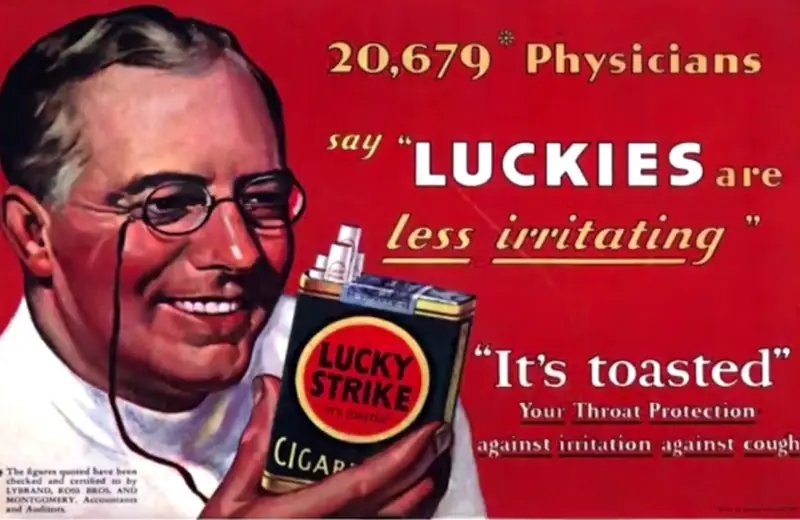
The story of the immense power of the tobacco industry and how it harnessed science to distort, deceive, and distract for decades should be a warning to anybody who may be prone to mistakenly placing their trust in industry-backed science. None of this should be so surprising to a self-reflective and honest reader. On a personal level, much of the working public would privately admit that they are more likely to tow the line than to oppose or speak out against the unethical practices of their superiors for fear of losing their job. To some extent, we all speak the language of corporate BS even though for most of us it is superficial, vacuous, and nauseating. This is no different for scientists, or politicians for that matter. Most also have mortgages, families, ambitions, and reputations to consider. They are also subject to other forms of bias, pressure, and institutionalised thinking which can affect their cognition, consciously and unconsciously.
We must also consider the fact that the prevalence of clinical psychopathy within a given population could be anywhere from 1-4% [145]. This is not a joke. It means that as many as 1 in 25 people in general are likely to be psychopaths with high proportions in positions of power and influence [146]. Globally this would equate to the entire population of Britain, Australia, Canada, New Zealand, California, Texas, Florida, New York, Michigan, Washington, Ohio and Georgia combined. For these individuals, ethics and morals are things they neither understand nor have the capacity to care about. They understand social rules as a game, and they use them to manipulate people via fake personas and public relations (propaganda). Psychopaths can feign the appearance of a well-adjusted ordinary person. For example, they will say they love their children without flinching while in reality, behind closed doors, they bully and abuse them. They are master manipulators and are likely to be highly functional in business and politics.
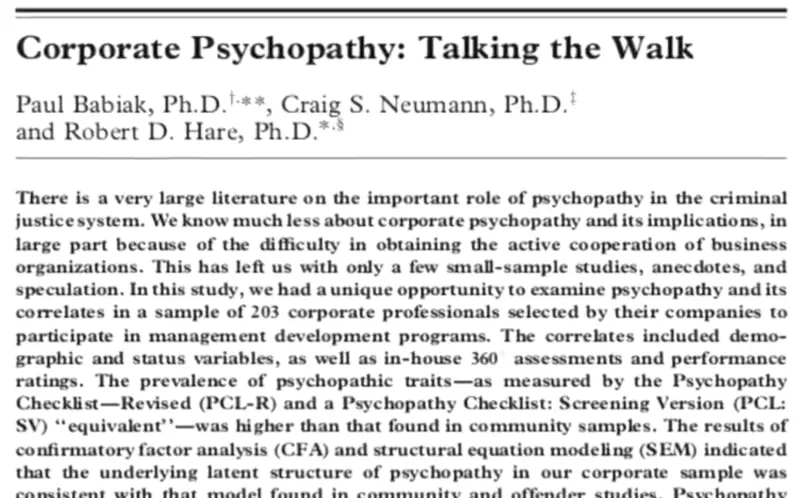
Some commentators suggest psychopaths may be useful in professions such as surgery where a cold clinical approach may be of benefit [147]. However, psychopath apologists simply do not understand psychopaths. They are always potentially dangerous to others. Those who do understand the dangers of psychopathy have called for screening to be carried out to prevent them being placed in positions where they can do significant harm to others, especially when this is potentially on a large scale [148]. Therefore, whether it is due to the danger of the influence of greed, the pressures of social and professional expectations, or full-blown psychopathy, we cannot assume that any person or organisation is beyond scrutiny. Conflicts of interest occur and must be brought to light and investigated. Research, statistics, decisions, policies, and law making must all be transparent and subject to challenge. Unfortunately, the fusion of government, regulators, and private industry, including the revolving door practices for making senior appointments, has normalised conflicts of interest and led to systems of governance that are unavoidably compromised. History warns us that science must be cross-examined in all aspects, especially when it is the bedfellow of political and economic interests, yet we have entered a period of authoritarian censorship, exclusion, and obfuscation, that is operating on a global scale.
Scandals involving asbestos, tobacco, and thalidomide are among the most controversial revelations of the 20th century. In all cases there was plenty of 'science' defending these products and it was many years, often decades, before the truth was exposed. The idea that there was no evidence for harm was commonly conflated with an assumption of safety. The impact that financial interests had on funding countless scientific studies that discounted any evidence for harm caused by tobacco is truly eye opening for anybody unfamiliar with the full saga. The key point is that science is for sale, it always has been, but the influence of industry-backed finance on government, regulatory bodies, and academic science is arguably greater now than it has ever been. We are also lacking a functioning free press with independent investigative journalists who are capable of in-depth scientific and political analysis unfettered by controlling editors.
All main sources of information are at the behest of corporate finance and billionaire owners. Government control over media content is also ubiquitous. It has sweeping legal powers that can prevent media from publishing information including the ability to enforce obedience through use of militarised security operations and closed courts. Governmental organisations such as the Scientific Pandemic Influenza Group on Behaviour, and military units such as 77th Brigade who specialise in psychological warfare, have worked at implementing obedience to government messaging through social and psychological techniques including the use of fake social media accounts to promote official narratives and harass and shame those with conflicting views [149]. Yes, it is a fact that a UK military unit has engaged in psychological warfare against the citizens of its own country. The government also uses taxpayer money to buy media influence. Since 2018, contracts worth £1.6 billion have been handed to one US media company alone (Omnicrom Inc.) [150]. Department of Health executive agency - Public Health England - became the largest single source of income to UK advertisers during 2020 [151].
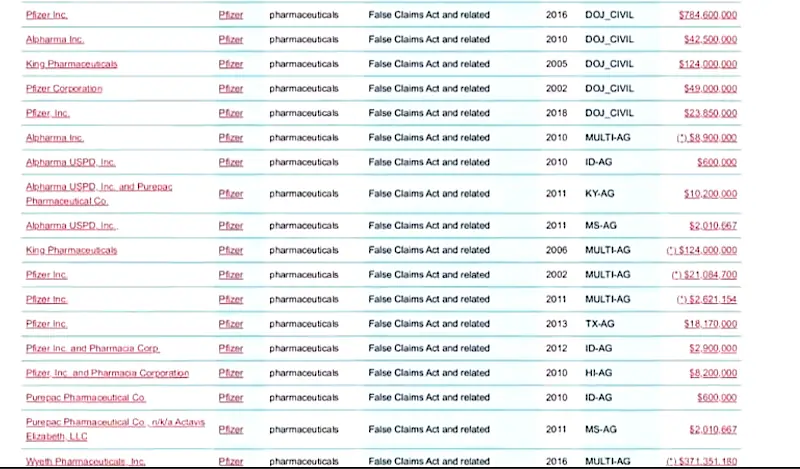
It is therefore unsurprising that it is significantly challenging to find any popular news media article about COVID-19 vaccines that gives serious consideration to their potential harms. Subjects such as antibody dependent enhancement, vaccine-induced viral evolution, or vaccine-induced long-term chronic illness have been ignored. Nor has there been much pause for thought about the many scandals, conflicts of interest, and examples of corruption associated with pharmaceutical corporations within the context of COVID-19 vaccine testing and production. For example, the fact that Pfizer has been fined a record breaking $2.3 billion for a prolonged and deliberate fraud concerning the efficacy and safety of their products should be cause for concern about whether they can be trusted [152]. There was also scant mention of the sheer volume of pharmaceutical products recalled due to potential harmful effects. Between 2012 and 2019, 11,305 drug products were recalled in the US alone due to safety concerns [457]. 2,163 of these recalls occurred in 2019. These are products that passed preliminary trials, were assessed for risks and benefits, and had then been made available for treatment. Please think about the implications of what you have just read. Also ignored in mainstream coverage was any explanation of how many of those with concerns about Covid vaccines, including Nobel laureates, doctors, and other health professionals, were worried specifically about SARS-CoV-2 vaccines not about vaccination in general; a position feeble-minded journalists seemed unable to reconcile [153, 154, 155].
It is important to return to the fact that several companies developing and producing vaccines have been convicted multiple times for fraud and deception. History has shown repeatedly that the most monstrous and demonic events take place following deliberate deception by a few, accompanied by the blind trust and herd mentality of the many. Dogmatic ideology is often lurking in the shadows, but personal financial profit, career progression, perceived esteem, protecting one’s current standing, or simply fear of standing out are all that is required to motivate people to align with perceived expected behaviours. Therefore, being diligent in your dealings with powerful people or organisations is not only common-sense advice, it is a civic duty. This is especially so if you are making a decision, or encouraging others to decide, about penetrating the body to inject something into the flesh and blood that may have irreversible biological effects, one of which could be death. However, if you knew the supplier of such a product was a criminal with multiple convictions, and those pushing the product had a track record for unethical, dishonest behaviour, would it be unreasonable to simply decide not to have any dealings with that party at all? Would it be unreasonable to mistrust the product they were pushing even if the first couple of samples were freebies? (Actually not free but paid for by taxpayers).
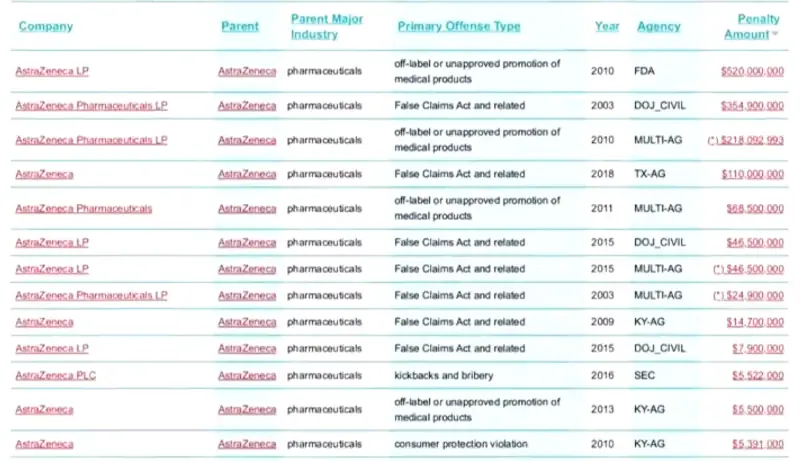
First, let's see if the vaccine manufacturers stand up to scrutiny. Since 2000, in the US alone, AstraZeneca have been subject to 21 successful prosecutions for unlawful behaviour incurring over $1.3 billion in fines [156]. During the same period, Johnson and Johnson have exhibited far worse behaviour. They have accumulated 58 penalties resulting in over $4 billion in fines [157]. However, Pfizer top the league of the three with over 71 transgressions, resulting in total fines in excess of $4.6 billion [158]. Violations committed by all three of these companies include anti-competitive practices, bribery (or making improper payments), and misrepresenting the safety, efficacy, and applicability of their products. Providing kickbacks and other benefits to doctors and government officials in return for contracts, making prescriptions, and promoting their products, is commonplace.
In the UK, Pfizer have also been caught price gouging. They were involved in altering the branding of an important anti-epileptic drug and then increasing the price by almost 2600%. A move intended to enrich Pfizer's revenue stream at a cost to the NHS of an additional £48 million [159]. As of 2020, Moderna's track record was blemish free – the company was only incorporated in 2010 and they had never previously produced a commercially viable product. Many of their experiments with gene-based medicine failed to reach phase III trials due to serious safety concerns raised during animal experiments. High staff turnover and scientific secrecy led to speculation that the priorities of CEO, salesman Stephane Bancel, run roughshod over biological science and medical professionalism [160]. However, his impatience to bring a product to market was relieved in 2020. Firstly, former Moderna board member Dr Moncef Slaoui was appointed to lead the USA's national COVID-19 vaccine programme - operation warp speed. Then followed the approval of the Moderna vaccine (for emergency use only). Forecast revenues from their COVID-19 vaccine are in the region of $18 billion and their share price increased tenfold in 2020 [162]. This led AstraZeneca to sell their 7.7% stake in Moderna for over $1 billion - more than four times their initial investment [161]. Moderna company executives were also able to cash in over $180 million worth of stock in 2020 [162]. Both events suggested that those with inside knowledge may not be expecting the share price to continue rising.
Novavax is a US corporation focused on producing vaccines. Prior to 2020 the company had not released a single commercial vaccine since being founded in 1987. In 2015, Novavax received $89 million from the Bill and Melinda Gates Foundation. However, the company had still been in difficult financial circumstances due to its failure to bring to market a safe and effective vaccine. This may be due to a more rigorous approach, overly ambitious attempts to tackle challenging emerging viruses such as Ebola, SARS and MERS, or novel attempts to use plant-based chemicals as adjuvants, and insect cells for viral protein culture [163]. However, reports suggest Novavax had rushed experiments and all of its previous vaccine candidates failed in trials [164]. At least this suggests their design, management and analysis of trial data has had some integrity rather than the frequent industry practice of hiding unwanted trial results and fudging data to help bring products to market. In 2020 the company's fortunes changed. The corona virus pandemic saw them receive around $2 billion in funding, most of which came via the US government. Its share price went from under $5 dollars at the end of 2019, to a peak of $290 in February 2021 after which it fell back a little [165]. The Novavax corona virus vaccine appears likely to be combined with its novel flu vaccine for roll out in time for winter 2021. It is notable that developing its flu vaccine to a market-ready phase took ten years. More than five times longer than has been spent on developing its COVID-19 vaccine.
Vaccines pushed in the UK were procured by a government acting on advice from the MHRA and SAGE. The government itself is staffed at its most senior levels by persons mired in illegal and unethical conduct. The health secretary in 2020, Matt Hancock, was a politics, philosophy, and economics graduate. He had no experience or qualifications relating to science or medicine. In 2021, following a court case pursued by an NGO, Hancock was found to have broken the law, and his own government's ethical standards, in his handling of generous taxpayer funded contracts [166]. One notable NHS contract was awarded to his friend and neighbour who had till that point only dealt in catering supplies [167]. Hancock was also caught breaking the social distancing restrictions he had helped impose when footage emerged of him embracing a married woman while at work [168]. Hancock, who had previously threatened holidaymakers with ten years in jail for completing a form incorrectly, was himself married at the time of the incident [169]. Perversely, Hancock had previously served on a parliamentary Standards and Privileges Committee and acted as a governmental anti-corruption champion. The father of Hancock's lover, Rino Coldangelo, holds, or has held, directorships in several pharmaceutical or biomedical companies including Harrison Life Sciences Group who, among other things, are involved in the supply of antibody reagents – a core component of disease testing kits. Hancock's sister and her husband run a 'security services' company based in Wrexham called Topwood Ltd (company number 04398739); their activities include document scanning, storage, and shredding. In 2019, following Hancock's appointment as Secretary of State for Health and Social Care in 2018, Topwood Ltd were awarded an NHS contract via NHS Shared Business Services Ltd - a company set up by the government Department of Health and Social Care in 2005 as part of the creeping privatisation of the NHS.
Prime minister Boris Johnson (full name Alexander Boris De Pfeffel Johnson) appointed his fellow Oxford alumni, Matthew John David Hancock, to the position of Secretary of State for Health and Social Care. Like Hancock, Johnson also has a record of abusing the law. Johnson was a member of the Bullingdon club (as was former prime minister Cameron). At that time, the Bullingdon club consisted of a group of over-privileged spivs who entertained themselves in the manner of a gang of adolescent psychopaths - by dressing up as Nazis, hiring prostitutes, belittling women, abusing ordinary members of the public (who were branded 'plebs'), and having micro-riots, one of which was alleged to have involved smashing a restaurant window [170, 171]. Were it not for their privileged status, Johnson and his chums would most likely have criminal records and be under surveillance via use of the gang violence matrix used by police intelligence.
In 2014, during his period as Mayor of London, Johnson squandered hundreds of thousands of pounds buying and renovating three mobile water cannons that were later banned from use and sold for scrap [172]. Presumably he had anticipated that these would be used for controlling public disorder resulting from the implementation of Conservative party policies. In 2019, the Supreme court found Johnson guilty of unlawfully suspending parliament in spring of that year, acting in breach of one of the most fundamental elements of the UK's constitution [173]. It was a profound decision, exposing a government that was had no respect for the most basic fundamentals of the rule of law. It should have shaken the British people to their core and brought the government down. However, the incident barely registered with a public mesmerised by profane propaganda, unaware of their own constitution, and utterly desensitized to corruption. Late in 2019, he retained his position as PM via election by the plebiscite. In 2020, he went on to breach international law by reneguing on elements of the EU withdrawal agreement [174].

In 2021, it came to light that Johnson had spent £200 000 decorating his flat at Downing Street, exceeding the already generous annual allowance of £30 000 allocated from taxpayer’s money [175]. There were calls for an inquiry into the origin of the funds. Johnson duly obliged. Not by submitting to an independent inquiry, but by personally appointing Lord Geidt as a ministerial standards advisor. Lord Geidt was a typical member of the establishment - a privately educated Cambridge graduate who had served in the Royal Household for well over a decade. Despite this, Johnson still limited Geidt's remit and prevented him from being able to launch his own inquiries independently [176]. Unsurprisingly, Geidt’s inquiry found that Johnson's actions were unwise but not unlawful. Which is a diplomatic and chummy way of saying that Johnson was morally corrupt but there was nothing anybody could do about it. The attempted whitewash did not succeed entirely and mounting pressure forced Johnson to appoint additional members to the committee for standards in public life. One of his selections - Ewen Fergusson, a former Bullingdon club member and personal friend of Johnson from his university days - made it clear what the true purpose of the committee was going to be [177].

Other significant conflicts of interest abound in the advisory groups set up to advise the UK government on its pandemic response. For example, Kate Bingham, chair of the vaccine taskforce (VTF) was appointed while she was still a managing partner for an investment firm with key holdings in pharmaceutical companies [178], and both Patrick Vallance and John Bell were found to have significant numbers of shares in companies that were awarded high value vaccine and testing contracts [179]. Most of the key influential figures involved in SAGE (Scientific Advisory Group for Emergencies), the group that directed government policy for the pandemic, have worked for pharmaceutical companies or received significant amounts of money for research from the funding organisations of influential financiers such as the Bill and Melinda Gates Foundation and the Wellcome Trust. Between 2014 and 2018, the Bill and Melinda Gates Foundation (BMGF) provided a whopping $744 million to UK universities; primary recipients included Oxford University ($166 million) and Imperial College ($133 million) [180]. This funding was part of a BMGF 'decade of vaccines' that involved distributing $10 billion in funding commencing in 2010 and ending, coincidentally, just prior to the SARS-CoV-2 outbreak in 2020 [181]. At least a further $1.75 billion has been made available by the BMGF to help develop products in response to COVID-19; the CEO of the BMGF made it clear that this funding was short-term and aimed at being a catalyst to market development [182]. Another notable donation made by the BMGF was one of almost £1 million made to the MHRA in 2017 [183].
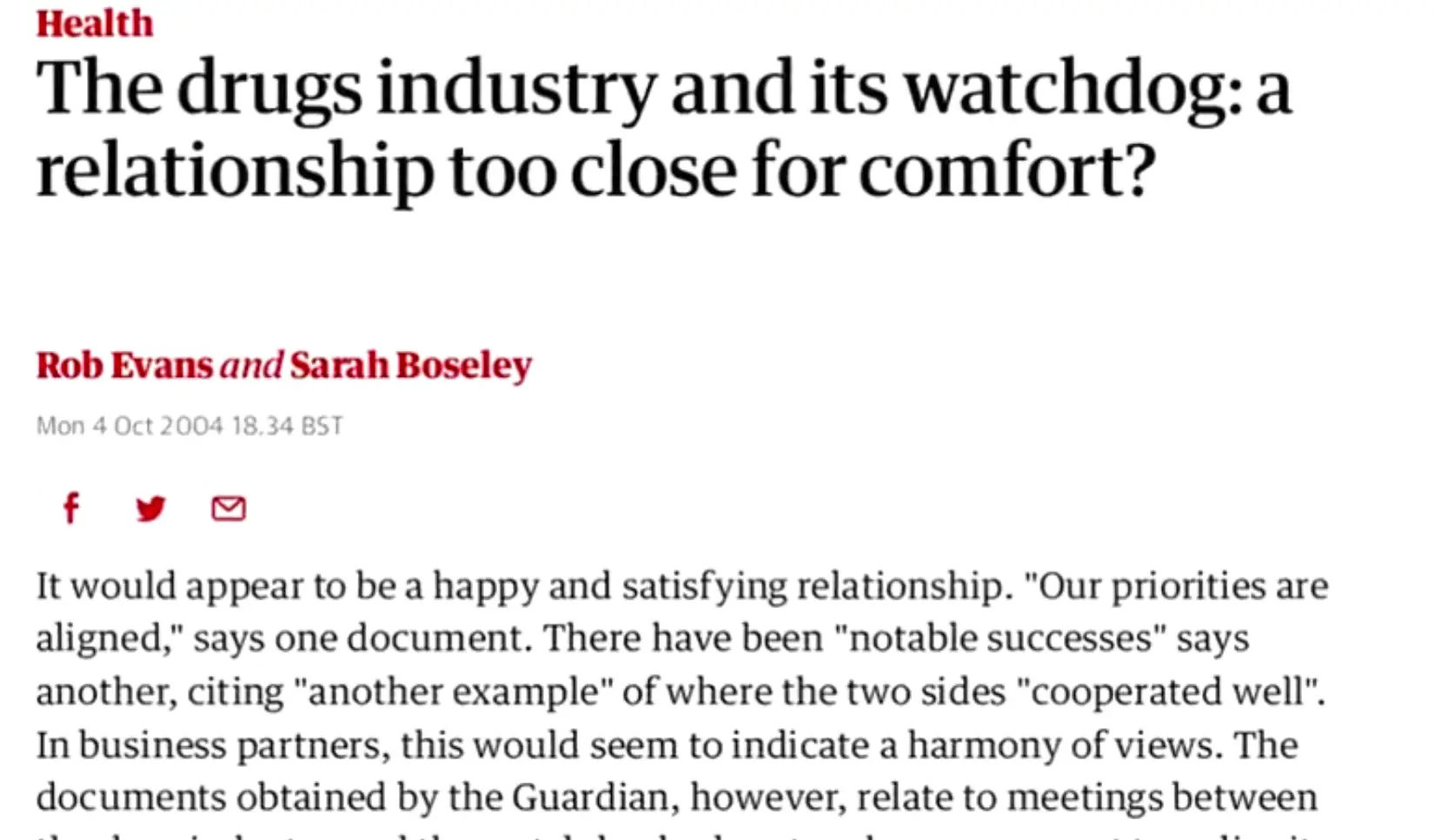
The MHRA (Medicines and Healthcare Products Regulatory Agency) is the UK agency for the oversight of drugs and medicines. Its funding comes entirely from private capital - mostly from the pharmaceutical industry. The relationship between the two has long been identified as problematic. In 2004, it was revealed that industry representatives were preparing diktats on how the agency should be run, including a desire to increase industry representation within the MHRA, and the MHRA had engaged in joint lobbying campaigns to support the commercial interests of the industry in Europe, indicating signs of regulatory capture [184]. Regulatory capture occurs when a government, or non-governmental regulator, becomes ineffective due to becoming too intertwined with the industry it is supposed to regulate. This can occur either through direct or indirect financial interests and/or the ideologies, personal relationships, and career ambitions of individuals employed or contracted by regulators.
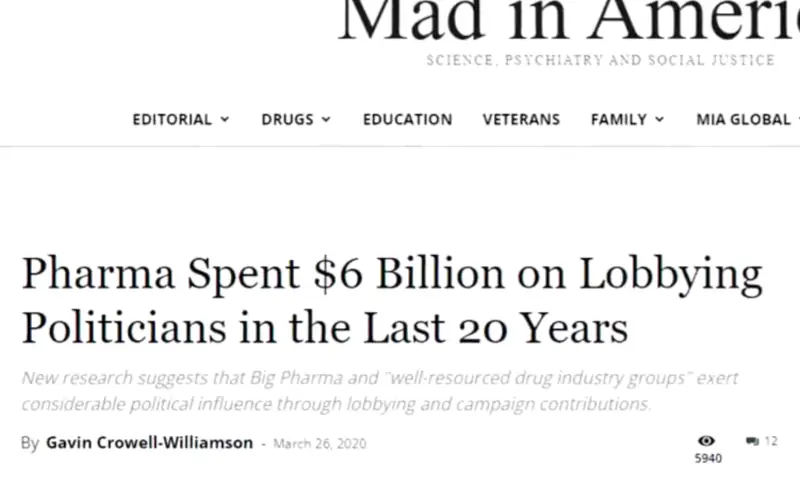
A trusting individual may see no issue over who funds what, but this is a terribly naive viewpoint. Money always has intentions - usually those intentions are tied to the people providing the money. It is clear that the UK government and pandemic response groups are generally comprised of establishment figures. As such, there will inevitably be a hegemonic culture emerging from these groups and pertaining to the advice they give. Anybody truly independent would not form part of the establishment and so is unlikely to be involved. There is no need to imagine grand conspiracies between multiple actors here. Just a collusion of personal and professional interests that are consciously or otherwise guided by cash flow will suffice to see alternative viewpoints excluded or blocked. Over protracted periods of time, whole academic disciplines will inevitably be captured in their own reinforcing echo chambers. Many of those involved will undoubtedly hold a genuine belief in their own opinions and the guidance they are giving to others. Thomas Kuhn's work on scientific paradigms provides on explanation of the matrix that shapes and holds beliefs in certain patterns, including how paradigms become entrenched through dogmatic approaches to education. However, when you add the powerful influence of funding, something Kuhn's theories fail to grapple with, paradigms become increasingly dogmatic, impossible to criticise, and equally hard to shift. This will be even more difficult when those funding scientific work spread their influence into other arenas too. It may be uncommon knowledge, but the BMGF has funded far more than science and education. Donations totalling $250 million have also been made to multiple media companies including the BBC, Al Jazeera, the Guardian, and the Financial Times; other recipients include 'fact checkers' such as PolitiFact [185]. The danger here is that the billions and billions pumped into science, the media, fact checkers, and many other organisations, including think tanks, and policy forums, could easily shape and shepherd the thinking of both the scientific community and the general public.
b. A Violation of Internationally Agreed Ethics
During the COVID-19 pandemic, there has been the emergence of a type of group-think - a tyrannical technocratic narrative about whether it is best to persuade people to take the vaccine, or just to force them to take it instead [186]. Re-education camps may be reserved for the last remnants of the 'vaccine hesitant' who are able to resist the coercive threats of having draconian disadvantages imposed upon them, such as limitations on employment, travel, and socialising. In the US, the CDC pushed a rule to force the unvaccinated to wear masks - the vaccinated were exempt [187]. This is deeply manipulative social psychology that aims to force people to wear a dehumanising physical symbol associated with silencing, shame, and disease, in order to identify them as an out-group. The cultivation of this social division took place during 2020 and 2021 while the vaccine was, by any commonly accepted definition of the word, experimental. It was not possible for long-term safety or efficacy to have been assessed using empirical evidence - the treatment was too novel for any such studies to have been carried out; you can speed up trials, but you can't speed up time or travel into the future.
The National Institutes of Health (NIH) had listed the expected completion date for the clinical trials for the Pfizer COVID-19 vaccine as May 2022 [188]. As of July 2021, no trial data had been submitted to the NIH by Pfizer. Later in this section, many more reasons for considering the vaccines experimental will also be discussed. What is particularly alarming is that a majority of the public seem to have shown little concern over, or resistance to, the use of overt and covert propaganda, manipulation, imposed disadvantage, and coercion, to force people into having an experimental medical intervention. In fact, many seemed to enjoy the opportunity to view unvaccinated people as an unhygienic out-group to avoid; a group deserving of hatred that should be put on public shaming lists, monitored, psychologically bullied, physically harassed, and refused essential medical treatment [189, 190, 191].
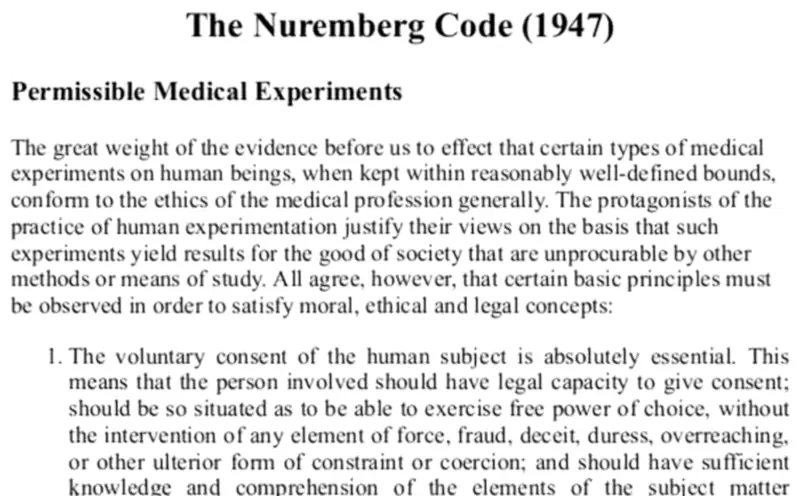
Despite claims to the contrary, what has happened is in contravention of the Nuremberg code which states [192]:
...the person involved should have legal capacity to give consent; should be so situated as to be able to exercise free power of choice, without the intervention of any element of force, fraud, deceit, duress, over-reaching, or other ulterior form of constraint or coercion; and should have sufficient knowledge and comprehension of the elements of the subject matter involved as to enable him to make an understanding and enlightened decision. This latter element requires that before the acceptance of an affirmative decision by the experimental subject there should be made known to him the nature, duration, and purpose of the experiment; the method and means by which it is to be conducted; all inconveniences and hazards reasonable to be expected; and the effects upon his health or person which may possibly come from his participation in the experiment.
It also contravenes Article 7 of the UN Covenant on Civil and Political Rights:
...no one shall be subjected without his free consent to medical or scientific experimentation.
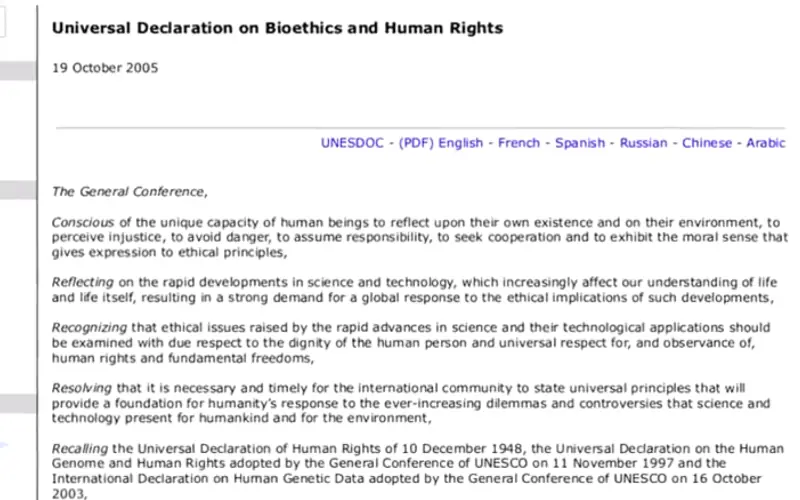
Most explicitly, and not contingent on arguments about whether the vaccines were experimental, arguments based on the greater good, collective responsibility, or civic duty, are directly in contravention of UNESCO's Universal Declaration on Bioethics and Human Rights, Article 3, part 2 [193]:
The interests and welfare of the individual should have priority over the sole interest of science or society.
In January of 2021, the Council of Europe - an organisation designed to uphold human rights internationally, and which the UK helped found following World War 2 - passed resolution 2361. It included the following statements concerning COVID-19 vaccines [458]:
7.3.1 ensure that citizens are informed that the vaccination is not mandatory and that no one is under political, social or other pressure to be vaccinated if they do not wish to do so;
7.3.2 ensure that no one is discriminated against for not having been vaccinated, due to possible health risks or not wanting to be vaccinated.
It is patently clear that the prevailing pre-pandemic western consensus on medical ethics places prime value on individual choice and rights. A fact agreed upon by an internationally recognised organisation of which the UK was a founding member and who have made specific reference to the importance of not mandating COVID-19 vaccines. This should be considered valid international law that is binding on all member states. Historically, such values were deemed so important people fought and gave their lives to defend them. The reasons were once clear - to respect freedom and personal integrity, to avoid the imposition of medical fascism, and to prevent repeating the sort of massive injustice and harm we have witnessed in our not-too-distant history. Values and lessons that have now been carelessly abandoned. In the USA, the states of Florida and Texas held these rights to be so important that they banned vaccine passports, or the imposition of any system that might coerce people into taking a medication by forcing people to disclose their private medical information during the course of their daily lives [194].

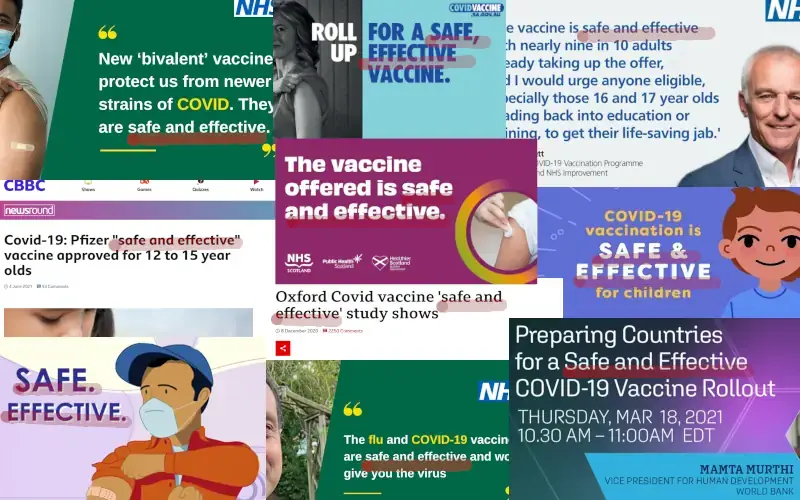
When it comes to COVID-19 vaccines, the issue of informed consent is particularly troubling. Having a corrupt politician or unqualified, woolly-minded celebrity say, 'it's safe and effective' or 'just get the jab' with a dismissive sneer or a wave of the arm certainly does not qualify as informed consent. Nor does it justify forcibly holding a patient down and injecting them through their clothes against their will as has happened in Scotland [195]. Some people thought this was acceptable; we are truly in dangerous times.
The immune system is not the simple machine one might believe it to be after seeing one of the many simplified cartoons used to explain how vaccines work. These cartoons were designed in order to encourage uptake not to educate or inform. The truth is that medical science still has much to learn about the immune system including the full complexity of genome-environment interactions, epigenetic interplay, autoimmunity, disease resistance, and trans-generational effects. Furthermore, vaccines using mRNA technology have never previously been approved for use on humans even in an emergency context, nor had the vaccines being launched been subject to multiple, rigorous, replicated, double-blinded, longitudinal studies [196]. Initial trials also excluded vulnerable groups including pregnant women, the elderly, and those with serious illness. Some intermediary papers were published following the first and/or second stages of the trials but full data was not published with them. Ordinarily, a vaccine can take a decade or longer to develop, test, and bring to market [197].
In effect, the launch of the vaccine program was simply an extension of the experimental trials that were still ongoing. There was certainly no risk-benefit analysis, nor could there be a realistic one when you simply do not have adequate information about positive and negative long-term effects. Some may argue it was necessary to take a chance with the vaccines given the threat of corona virus, but this gamble is based on hope not science. It is effectively a blind leap of faith. It was also largely based on the social and economic pressures caused by lockdown rather than simply fear of the disease itself. The dominant narrative was that vaccines for all would be the only way out of a government imposed medical tyranny. This is simply untrue. However, with the world experiencing an onslaught of fear-inducing propaganda and varying degrees of curfew and totalitarian-style governance, it is easy to understand why vaccines have taken on a quasi-religious role. While SARS-CoV-2 does appear to cause a real and deadly disease, the threat it poses has been deliberately exaggerated and the efficacy of natural immunity, prophylactics, and treatments have been downplayed or ignored completely; as have the cumulative long-term consequences of lockdown or the vaccine program itself.
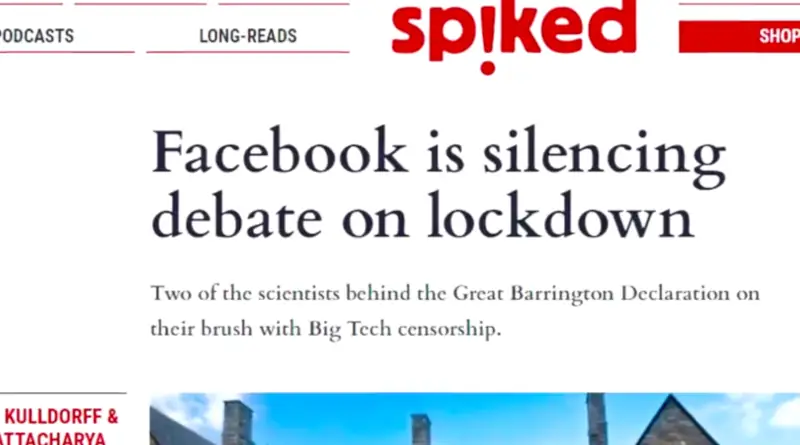
Serious concerns about vaccines were raised early on by numerous scientists and independent commentators. While some fringe elements made wild and contentious claims, many concerns were genuine and based on scientific knowledge, clinical experience, and peer-reviewed evidence, yet none of this science was given the serious space and discussion it deserved by the popular media; instead, it was censored. This draconian control of information and news was dominant across multiple popular resources including Facebook, Twitter, and YouTube [198, 199, 200, 201].
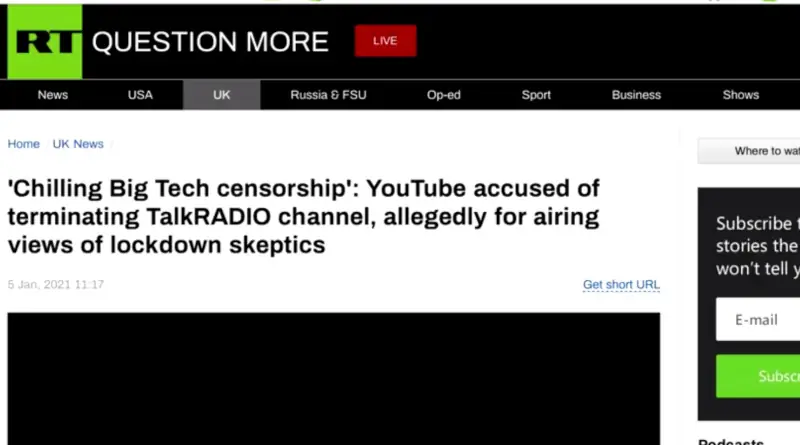
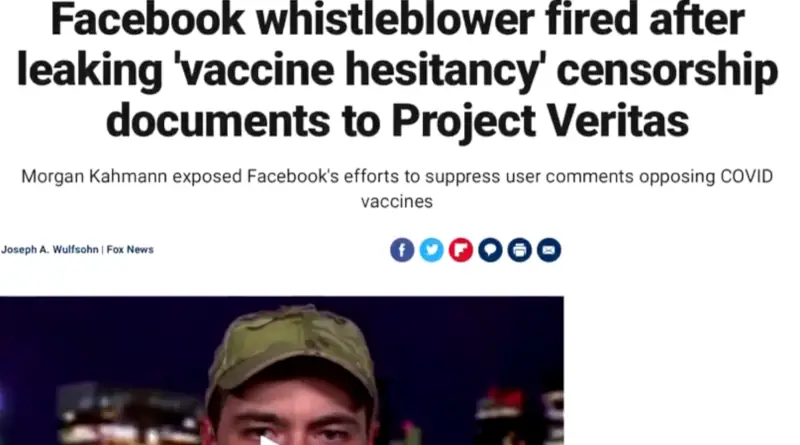
Facebook fired an employee who blew the whistle on censorship policies by leaking evidence of the development of algorithms to effect a shadow ban on posts with content that might lead anybody to question the need, safety, or efficacy of the vaccines [202]. Information was kept hidden from view or removed regardless of whether it was fact, a scientifically supported opinion, a link to a peer reviewed science journal, the opinion of qualified medical professionals or an accurate empirical report from personal experience. Search results were filtered, posts were removed or shadow-banned, and social media accounts and channels erased completely. Anything that did not support the narrative dictated by the authorities was fair game for repression.
c. Natural Immunity
For much of the pandemic, but especially following the rollout of vaccines, a false narrative was used to suggest that effective immunity can only be achieved through vaccination. This idea was blatantly false, as was the notion that herd immunity could only be achieved through vaccination. The World Health Organisation had explicitly acknowledged the role of non-vaccine acquired immunity in reaching the all-important goal of herd immunity [203]:
'Herd immunity', also known as 'population immunity', is the indirect protection from an infectious disease that happens when a population is immune EITHER through vaccination OR IMMUNITY DEVELOPED THROUGH PREVIOUS INFECTION. (Emphasis added.)
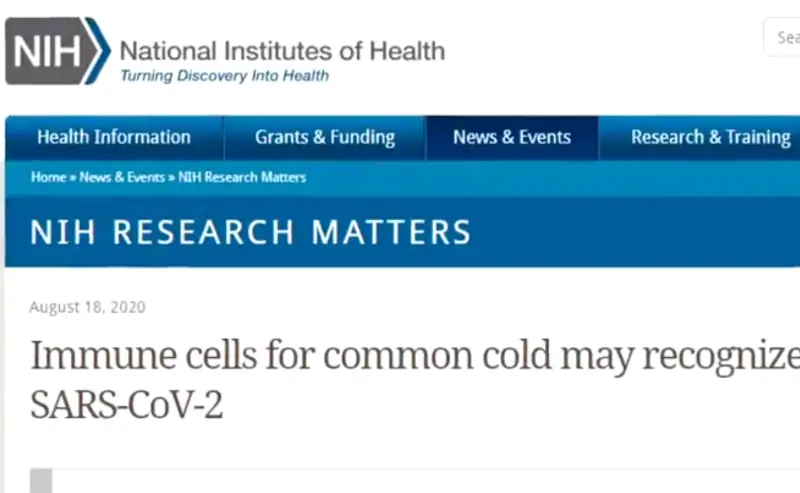
Previous infection does not need to have been with SARS-CoV-2. Cross-reactivity is the name given when exposure to one pathogen can produce a response against another one. A classic example is the immunity derived against smallpox from cowpox exposure - a discovery that led to directly to modern vaccines (the word vaccine is derived from the Latin 'vacca' - meaning cow). The likelihood of cross-reactive immunity from corona viruses, including those that cause the common cold and also the more serious SARS-CoV and MERS-CoV, was suspected, and highlighted, at least as early as June 2020 [204]. Those suspicions proved correct. In November 2020, a study was published in the 'Journal of Clinical Investigation' that examined cross-reactivity to SARS-CoV-2 that had arisen following exposure to other similar viruses [205]. The conclusion of the study was that 90% of people who had not previously been exposed to SARS-CoV-2 exhibited positive antibody responses. Measures were taken to ensure that this was not due to prior asymptomatic exposure to SARS-CoV-2. As such, the presence of cross-reactive immunity was believed likely due to prior exposure to other corona viruses in circulation - four of which are known to be associated with causing the common cold.
In addition to cross-reactive immunity, people exposed to SARS-CoV-2 are very likely to have developed virus-specific immunity. A fact that was even acknowledged by the UK's Office for National Statistics. On July 7th, 2021, they released a report suggesting that 90% of the UK public had developed antibodies to SARS-CoV-2 either from vaccination or prior infection [206]. They also stipulated that an absence of antibodies:
...does not mean that a person has no protection against COVID-19, as an immune response does not rely on the presence of antibodies alone.
This is a crucial point but does not receive adequate further attention either in the ONS report (which appears to be aimed solely at encouraging vaccination) or in popular media. It is notable that the core SAGE committee formed in the UK at the beginning of its pandemic response did not include a single immunologist - a field that is concerned with long-term immunity [207]. The fact is that many people already had robust immunity to SARS-CoV-2 without vaccination [208]. Plus, people with natural immunity are no more likely to pose an infection risk to others than fully vaccinated people, possibly less due to the enhanced risk of dangerous viral evolution occurring in vaccinated people.
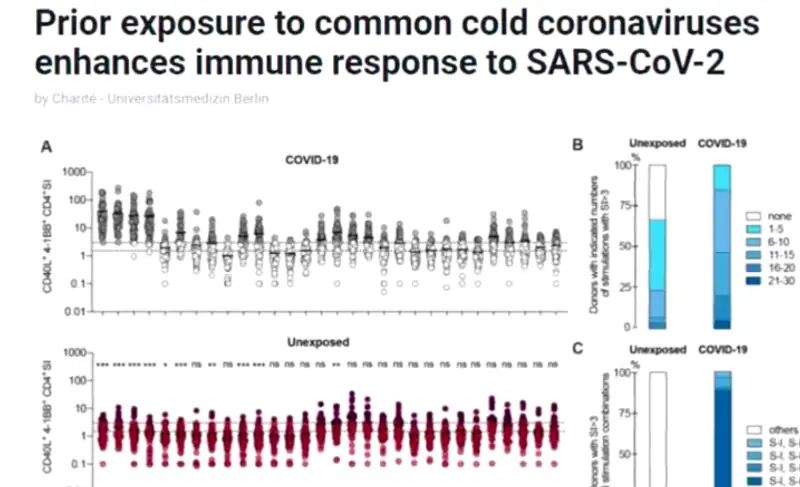
Immunity derived from a natural infection also appears to be much broader, more robust, and almost certainly longer lasting than vaccine-acquired immunity. In part, this is because it induces production of a wider set of immune components including the presence of IgA (immunoglobulin A) at mucosal sites - an important barrier to viral entry into deeper tissue; something that vaccines designed to produce spike protein antigens do not achieve [209, 210]. If a natural immune response occurs upon exposure to the virus, it is generally robust regardless of the severity of infection; there are a minority of people, generally the more aged, whose immune system does not respond, but they are equally unlikely to benefit from vaccination yet will still be at risk from side effects [210, 211]. Additionally, as reported in the publication 'Nature', there is evidence that natural immunity from prior infection may be long-term, possibly life-long, following confirmation of the presence of antigen-specific long-lived bone marrow plasma cells in people who recovered from SARS-CoV-2 infections [212, 213]. This research highlights the fact that it is not necessary to have detectable antibodies for immunity to be present. The idea that low antibody levels equal reduced long-term immunity is simply false. Following exposure to an antigen, the body will usually produce a high level of antibodies but once the invader is believed to have been controlled and defeated, there is no need to retain a high level of antibodies. It would be unnecessary, ineffective, and probably impossible for the body to retain high levels of antibodies for all the infectious elements it is exposed to over its lifetime. Instead, following an aeon of evolution, the immune system has developed clever mechanisms to store a memory of the invader which will enable it to quickly produce antibodies in the future should re-exposure occur. This allows it to drop the levels of actual circulating antibodies to a very low level which may not be detectable. In July 2021, analysis of a large dataset from Israel indicated that 40% of people with new COVID-19 infections were vaccinated compared with just 1% who had previously recovered from the disease [214].

In August 2021, the ONS reported that over 90% of adults in the UK would test positive for antibodies against SARS-CoV-2 [215]. Remember that people who do not test positive for antibodies following recovery from a natural infection can still be immune, either through non-specific immunity, by carrying antibodies that are not detected by the test, or having capacity to make antibodies following activation of immune memory cells. By contrast, an article in the Telegraph, also published in August 2021, reported that Professor Andrew Pollard - the lead on the Oxford vaccine team - had accepted that it was clear that vaccines did not prevent people from contracting a SARS-CoV-2 infection [216]. This meant that the vaccinated remained a potential source of spread, and that vaccine-acquired herd immunity was therefore unachievable. It also meant that the idea of vaccine passports was not supported by scientific reasoning. A policy that required only unvaccinated people to be forced to isolate if they came into contact with a person who had a positive test would therefore be irrational, discriminatory, and have potential to cause massive spread of the virus via vaccinated people.

In summary, natural immunity is real, robust, and long lasting. It does not require prior exposure to same virus it protects from, so a prior positive test for SARS-CoV-2 is not a necessary indicator for natural immunity. Natural immunity confers protection on both the individual and the community. Negative antibody tests do not exclude the presence of natural immunity. If people have functioning natural immunity to a virus, the risk / benefit of taking a vaccine becomes all risk. No matter how low this risk might appear to be, it is an unnecessary risk. Neither does a functioning level of immunity need to be 'boosted'. Indeed, not only do vaccines carry some risk of adverse effects, the simple act of overstimulating the immune system can itself be damaging; in some cases, leading to chronic immunological disorders. Plus, there is an economic and environmental cost to producing, storing, transporting, and administering a vaccine.
d. What is in the Experimental Vaccines?
Vaccines designed to protect against COVID-19 were, de facto, experimental when they were rolled out to be used on the public in the largest mass vaccination campaign in history. The Human Medicines Regulations 2012 would have prevented their use save for regulation 174 which states that temporary emergency authorisation may be given to products designed to protect against pathogenic spread. The use of regulation 174 is evidence that the vaccines were neither fully approved, nor proven safe and effective in the medium and long-term. As of mid-July 2021, government issued advice for healthcare professionals concerning the AstraZeneca vaccine's regulation 174 status, stated clearly [217]:
The duration of protection afforded by the vaccine is unknown as it is still being determined by ongoing clinical trials.
It also stated:
This product contains GMOs.
As of June 2021, the government advice to healthcare professionals concerning the Pfizer vaccine's regulation 174 status was devoid of any mention of long-term efficacy whatsoever. One thing it did say was [218]:
In the absence of compatibility studies, this medicinal product must not be mixed with other medicinal products.
This meant that it should not be injected if a person has other active medicines in their body. There were no exceptions to this. At the time this advice was given, neither vaccine had been granted a marketing number - because they were not fully approved.
The disclosed ingredients for the vaccines that were in use in the UK as of July 2021 are listed below [219, 220, 221, 222]. Neither Moderna's proprietary SM-102, nor the PEG (polyethylene glycol) used in Pfizer's product, have ever previously been used in an approved vaccine. Nor had any of the main active ingredients, or any listed combination of excipients, ever been used in humans prior to the deployment of these inoculants.
Pfizer/BioNTech (BNT162b2):
- BNT162b2 single stranded mRNA
- ALC-0315 = ([(4-hydroxybutyl)azanediyl]di(hexane-6,1-diyl) bis(2-hexyldecanoate))
- ALC-0159 = 2-[(polyethylene glycol)-2000]-N,N-ditetradecylacetamide
- 1,2-Distearoyl-sn-glycero-3-phosphocholine (DSPC)
- Cholesterol
- Potassium chloride
- Potassium dihydrogen phosphate
- Sodium chloride
- Disodium hydrogen phosphate dihydrate
- Sucrose
- Water
AstraZeneca sold as Vaxzevria / Covishield:
- ChAdOx1-S recombinant particles (modified chimpanzee adenovirus) produced in genetically modified human embryonic kidney (HEK) cells (HEK 293).
- L-Histidine
- L-Histidine hydrochloride monohydrate
- Magnesium chloride hexahydrate
- Polysorbate 80 (E433)
- Ethanol
- Sucrose
- Sodium chloride
- Disodium edetate dihydrate
- Water
Moderna:
- Single stranded mRNA
- Lipid SM-102
- Cholesterol
- 1,2-distearoyl-sn-glycero-3-phosphocholine (DSPC)
- 1,2-dimyristoyl-rac-glycero-3-methoxylpolyethylene glycol-2000 (PEG2000-DMG)
- Trometamol
- Trometamol hydrochloride
- Acetic acid
- Sucrose
- Water
Janssen (Johnson & Johnson):
- Adenovirus type 26 encoding the SARS-CoV-2 spike glycoprotein
- 2-hydroxypropyl-B-cyclodextrin
- Citric acid monohydrate
- Ethanol
- Hydrochloric acid
- Polysorbate 80
- Sodium chloride
- Sodium hydroxide
- Trisodium citrate dihydrate
- Water
e. COVID-19 Vaccine Risks
e.i. Risk, Benefit and Significant Under-Reporting of Adverse Events
A deliberate disinformation narrative was used by public health spokespersons to promote vaccine uptake. This narrative suggested that adverse event data was being properly analysed, showed no concerning trends when compared with ordinary background incidence of reported events, and that reporting would be overzealous due to the novel nature of the vaccine. Zero evidence was offered in support of this. In fact, as we shall see, a body of research shows that this narrative was unscientific and based on poor assumptions. Many adverse reactions were unreported, but it is not clear how many. It should be very few because government guidance was clear from the outset; the novel vaccines were classed as a 'black triangle' medicine - meaning they required health professionals to be especially vigilant in spotting and reporting harmful effects. Additionally, the 'Green Book' - an authoritative source of government guidance - is clear that uncertainty over whether an adverse reaction was or was not connected with a vaccination does not constitute a reason to avoid submitting a report no matter how minor the reaction [223]:
The MHRA encourages reporting of suspected ADRs even if there is uncertainty as to whether the vaccine played a causal role.
And:
...all serious and non-serious suspected ADRs should be reported, for both adults and children.
However, research has shown that the vast majority of adverse drug reactions, including the most serious ones, are not reported. Of those that are, the information supplied is frequently of poor quality. For example, one study found that UK medical practitioners frequently did not report adverse drug reactions. The reasons given included, not having sufficient time, and holding the false belief that reports should only be submitted where there was no doubt that the only possible cause was the medication [224]. This research also showed that doctors appeared to have little understanding about what the Yellow Card reporting scheme was for nor what the black triangle signified. This study is quite dated but contemporary evidence does not conflict with its findings. A more recent systematic review of 47 published research papers identified the under-reporting of adverse effects as a major problem that was closely linked with attitudinal responses of the medical professionals concerned [225]. Lack of time was a major factor used to excuse themselves of any duty to submit reports, but other more disturbing excuses given included: indifference - described as the belief that one more (or less) report wouldn't make a difference; and complacency based on the belief that only safe drugs were allowed on the market! These last two excuses are perhaps the most startling and reveal that some medics lack any modicum of professionalism, are devoid of even a basic understanding of statistical principles, and imbue a level of naivety belittling of the intelligence supposedly required to qualify for practice. Either that or they hold irrational biases they dare not see challenged and so they behave in improper ways that will bolster their assumptions rather than challenge them.
A study conducted in Canada provided evidence that patients were more likely to report side effects to medical professionals rather than attempt to do so directly, yet when they do, medical professionals downplay side effects and dismiss concerns rather than take them seriously and submit an official report [226]. Globally, research has shown that health professionals are significantly more likely to report positive attitudes toward the need for reporting detrimental effects that may be linked to medication than to actually do it in practice [227].
The Yellow Card scheme was implemented following the Thalidomide scandal of the 1960s [228]. This drug, used to treat morning sickness, was given to pregnant women on the basis of industry-funded research proving that it was safe and effective. It was used for years before the safety issues came to light and action was taken to ban the drug. The consequence was that thousands of babies were born with defects that would confer upon them a serious lifelong disability. The yellow card scheme was intended for use without placing any burden of correlating clinical evidence on the person reporting the adverse event. Indeed, the need for health professionals to submit reports of adverse effects without themselves evaluating whether there was any direct connection was essential. The scheme was intended to be monitored for unusual patterns of emergence of adverse events beyond the normal occurrence of events in the general population. Therefore, it is necessary that all events are reported in order for signals of adverse events that are beyond the background rate to be detected. Failing to report a potential adverse event would be detrimental to the purpose and effectiveness of the scheme, and contribute to a false perception of safety.
In 2018, the MHRA issued guidance aimed at encouraging health professionals to make proactive use of the Yellow Card scheme noting that there had been a significant drop in reports especially among physicians. They highlighted that as few as 10% of serious adverse reactions and only 2-4% of less serious reactions were being reported [229]. A systematic review of 37 research papers spanning twelve countries shows that this was a common problem, concluding that between 85% and 95% of serious adverse drug reactions were never reported [230].
A letter published in the BMJ expressed concern over adverse effects noting that the CDC system used to collect data in the USA is passive and reports of adverse events could be as low as 1% of those that actually occurred [231]. Despite this, the author notes that the rate of adverse effects reported for COVID-19 vaccines was already almost 50 times the volume of reports associated with influenza vaccines. Evidence supporting extremely low reporting figures can be found in a study prepared for the US Department for Health and Human Services, published in 2010. The study was specifically designed to investigate reporting rates for adverse reactions to medicines [232]. It states:
... 1 ‐ 13% of serious events are reported to the Food and Drug Administration (FDA). Likewise, fewer than 1% of vaccine adverse events are reported.
Experts who published analysis of the risk and benefit of COVID-19 vaccination noted that adverse event reporting rates between different countries were wildly different - the Polish reporting approximately 98% fewer events than the Dutch [233]. As there is no known scientific basis for assuming that certain populations are somehow significantly more susceptible to side effects than others, the authors – Walach et al. - inferred that this was due to the veracity of the culture and mechanisms in place to ensure accurate data collection. In other words, it was how aware patients and practitioners were of the importance for reporting all suspected side effects, how seriously they took their responsibility to submit reports, and the capability and effectiveness of the infrastructure in place for report submission that affected reporting rates. The researchers, including medical experts and a data scientist, used evidence from a large-scale field study performed in Israel, alongside Dutch figures for adverse events, to compare mortality from COVID-19 with adverse events and reported deaths associated with vaccination. They defended their decision to use the Dutch data on the basis that this system was considerably more robust, and more actively engaged with, than those used in other countries. The data from this system suggested that, following vaccination, around 1 in 25 000 died and 1 in 6,250 developed severe illnesses. The shocking conclusion of the Dutch/Israeli study was that, at best, one person would die as a result of inoculation for every eight lives saved. At worst, three lives saved from COVID-19 as a result of vaccination would result in two deaths due to receipt of the vaccine. Perversely, this scenario would still fit the MHRA's appalling definition of 'safe' [234]:
For a medicine or vaccine to be considered safe, the expected benefits will be greater than the risk of having harmful reactions.
Note the use of the word 'expected'. This definition means that a medicine that killed 99 people but was 'expected' to save 100 could be described as safe. It is absurd. It also ignores broader ethics. Even on the grimmest conclusions of the study that analysed the Dutch vaccine adverse events, the life for life cost of vaccination compared with non-vaccination appears mathematically justified, albeit barely - 3 saved for 2 killed. However, the study does not account for QALYS (quality adjusted life years). In other words, vaccine deaths could disproportionately affect younger people, whereas those dying from the disease are far older. Would we want to sacrifice the lives of two children or two middle-aged parents for an extra couple of years for three octogenarians? Hopefully such a question should make you feel uncomfortable because the sanctity of life should not be reduced to mere mathematics. Furthermore, the study does not account for additional risks from vaccination such as vaccine-induced viral evolution, antibody-dependent enhancement, long term chronic illness and pathologies that contribute to future death. Nor does it account for substantial natural immunity present from robust primary immune responses, or previous infection with SARS-CoV-2 or other corona viruses. As the long-term efficacy of the vaccines is not known, whether any protection provided will be long-lasting is also not accounted for.
It is possible that those protected and counted as lives saved in the short-term might actually succumb to a variant that vaccines do not protect against. It is also possible that the protection afforded by the vaccines against existing variants subsides and becomes ineffective. The unknown medium and long-term risks from vaccination and unaccounted for benefits of natural immunity may significantly alter this risk benefit ratio making vaccines more dangerous than the disease. No doubt the MHRA would not 'expect' that to be the case so such discourse would not alter their opinion over the safety of the vaccines. However, it is important not to become too bogged down in cold analysis of risk and benefit. The researchers who published the alarming cost/benefit ratios of vaccination, based on the Dutch and Israeli data, were clear that making policy judgements based on such mathematical ratios, especially for mandating or coercing people into vaccination, is a poor approach, absent of proper ethical considerations:
...one should consider the simple legal fact that a death associated with a vaccination is different in kind and legal status from a death suffered as a consequence of an incidental infection.
Vaccine proponents who do acknowledge the risks may argue that, in the case of SARS-CoV-2, the risk is worth the benefit. However, they are looking at the problem with tunnel vision, ignorant of the lack of risk in younger people, misled by a corrupt and biased testing system, and excluding the many other ways in which the effects of the disease can be effectively managed through early interventions that have largely been ignored.
It is important to note that the research by Walach et al. that revealed the potentially appalling cost to benefit of a vaccination program, based on the Dutch and Israeli data, research that was published following peer review, was later removed by the journal’s editors following overwhelming criticism from establishment scientists. As a result of this pressure several members of the journal's board resigned. Objections to the paper included the suggestion that using data from vaccine injury reporting schemes was not adequately robust for use in statistical analysis. Use of the NNV (number needed to vaccinate) was also denounced. Walach et al. did not agree with the reasons given for the retraction of their paper. Objecting to the use of statistics of reported adverse events might be valid; not because they overestimate adverse events but because research clearly shows that adverse events are significantly under-reported. The causal links between these events do need further investigation, but governments and health authorities have not done this. It is true that NNV does not account for the full picture, no statistic can ever do this, but NNV is a commonly used statistic to help inform researchers and medical professionals; it has been in use for decades.
NNV will be discussed shortly in more detail. What is most remarkable about the retraction of the paper by Walach et al., is the behaviour of one the editors who resigned from the journal. They published several arguments to highlight why Walach et al.’s study was flawed. These included petty name calling, arguments against credentials, and attempts to discredit the use of NNV [235]. All attempts were made to portray vaccines in a more positive light and disallow arguments to their detriment. The emotive nature of this outburst, and lack of capacity to deal with the evidence presented, indicates significant cognitive bias and a failure to engage with the record-breaking volume of reports of serious adverse events, and deaths that have occurred globally, shortly following vaccination.
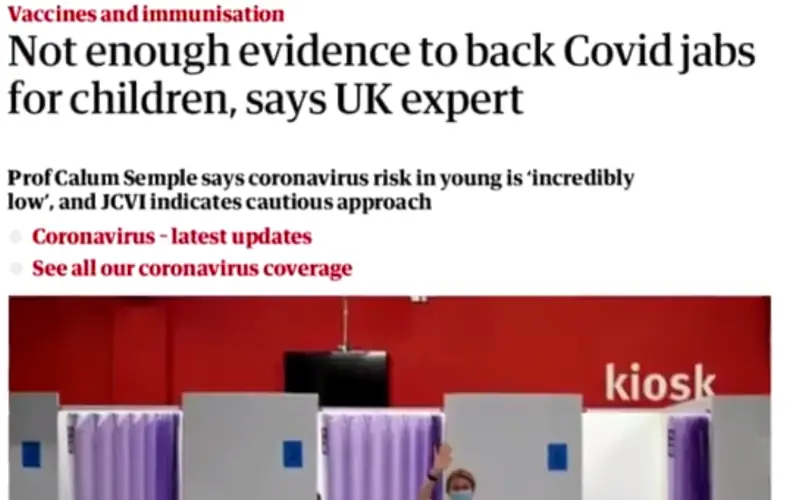
The issue of risk versus benefit, ethics and consent is especially prescient to children. Children were reported to be at extremely low risk of death following a positive COVID test and as such there is very little direct benefit in them being vaccinated. For example, during the first twelve months of the pandemic, there were just 25 deaths following a positive COVID-19 test in the under 18 age group; during the same period, 124 under 18s had committed suicide [84]. In July 2021, Professor Semple of the SAGE group said [236]:
I’m not convinced that the evidence base there is strong enough to support vaccination of children, because we don’t have complete safety data for the vaccines that we would want to use.
Even the WHO were cautious at this point stating:
More evidence is needed on the use of the different COVID-19 vaccines in children to be able to make general recommendations on vaccinating children against COVID-19.
Meanwhile, the New York Times reported that several experts already believed that the risk of vaccinating children outweighed the benefit [237]. At the same time, early July 2021, the US VAERS system had counted 11 deaths in the under 18 age group following a COVID-19 vaccine [238]. The death of one 13-year-old Michigan boy - Jakob Clynick - was a rare story that actually made it into the media. He died in his sleep three days following his vaccination. Yet despite this, the vaccine propaganda had been so successful that 90% of English parents were still keen on getting their children jabbed. Reports also emerged that councils in England were 'going rogue' and vaccinating children who were not in high-risk groups, acting against government guidelines [239].
Vaccination is not the only way of tackling a virus. There are many actions that can be taken including alterations to lifestyle and diet, effective and early treatment of co-morbidities, and cultivating a healthy and loving social and family environment. There are also effective prophylactics and treatments that can reduce the seriousness of the disease, significantly lower hospitalisation rates, and lower death rates, while still facilitating the development of naturally acquired immunity.
When it came to the threat of widespread programs of vaccination for children, dissenting doctors had largely been silent, or silenced, but some did speak out. An open letter sent to the UK's MHRA, signed by dozens of medical experts including GPs, consultants, and professors, stated [240]:
The current, available evidence clearly shows that the risk versus benefit calculation does NOT support administering rushed and experimental COVID-19 vaccines to children, who have virtually no risk from COVID-19, yet face known and unknown risks from the vaccines.
While this letter was aimed at protecting those under 18, more broadly it confirmed that the informed opinion of many qualified medical practitioners was; that COVID-19 vaccines were experimental in nature, that there were known risks associated with its administration, and that there may be further serious risks that were unknown.
More vociferous opposition to the global mass vaccination program came from a group of 57 experts, attached to more than 24 medical and academic institutions, who called for an immediate halt to its roll out [241]. They highlight many of the points that you may now be familiar with: that the disease could be very effectively treated; that there had been a lack of pluralistic debate about the safety, efficacy, and necessity of the vaccines; and that there were significant potential risks associated with the vaccine from known adverse reactions through to potential for long-term problems such as chronic immune disease, antibody dependent enhancement, and immune evasion. They also noted a lack of thorough animal testing and the exclusion of vulnerable groups from early trials. Of particular concern was the known effect of the spike protein on the cardiovascular system and the damage it can cause to endothelial tissue and mitochondrial function.
e.ii. Efficacy, Responsibility, and Mainstream Media Misinformation
Experts writing in the Lancet, raised the issue of commonplace misinformation about vaccine efficacy that was being spread via popular media [242]. They noted that vaccine efficacy was often reported in terms of relative risk reduction (RRR), ignoring other salient statistics such as absolute risk reduction (ARR), or the number of people required to be vaccinated in order to prevent one case of infection (NNV). These latter statistics are particularly sobering:
ARRs tend to be ignored because they give a much less impressive effect size than RRRs: 1·3% for the AstraZeneca–Oxford, 1·2% for the Moderna–NIH, 1·2% for the J&J, 0·93% for the Gamaleya, and 0·84% for the Pfizer–BioNTech vaccines.
Critics responded with the suggestion that ARR was not a 'scientific concept' and nothing more than circumstantial information [243]. This is symptomatic of a serious issue at the heart of authoritarian technocratic thinking. Statistics based on sample populations using empirical data are necessarily circumstantial; that is, they report on a particular set of conditions within a particular time period. Statistics never describe the totality of reality, they can always be revised and disputed, and invariably they lack nuance. This does not make them irrelevant; it just means that they are subject to change and plenty of caution is needed when using any set of statistics to make sweeping decisions about policies being applied to different populations. The authors who had said that using RRR alone was misleading, responded to their critics by saying [244]:
Both ARR and RRR are helpful to assess trade-offs between benefits and harm, because evidence is still limited on whether or how they change across the range of individual responses and risks related to age, co-morbidities, behaviours, and level of exposure, as well as over time - with risk of COVID-19 decreasing with vaccination scale-up or altering due to virus variants.
Indeed, not only is ARR helpful to bring perspective when reporting vaccine trial results that report RRR, but ensuring that the public are aware of ARR in addition to the more flattering RRR, provides a more balanced portrayal of risks and benefits. This helps to avoid undue coercive influence that could be exerted by focusing solely on RRR [245].
Analysis of real-world data, following a vaccination program in Israel using the Pfizer vaccine, produced an ARR of 0.46% - half that anticipated by clinical trials [242]. In this instance, this translates into a need to vaccinate 217 people in order to prevent one case of COVID-19. This does not account for future analysis of long-term data which may factor in the effects of variants that escape vaccine-induced immunity. Such variants have been mooted to be a potential reason for ongoing booster shots, hinting at the possibility of a permanent and ongoing vaccination program. The real-world data from Israel does suggest that criticism of the Pfizer study by Peter Doshi, the editor of the BMJ, who raised issues over transparency and manipulation of data may well be justified [246]. Doshi suggested that an independent analysis of Pfizer's results might well have shown that the vaccine was not as potent as claimed, potentially much less effective than the threshold required for the vaccine (or any vaccine) to be granted a fully licensed approval.
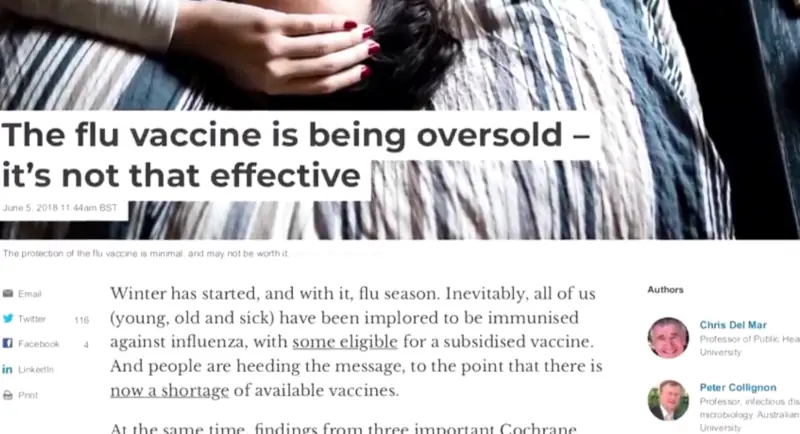
An annual vaccination program that mimics the culture of annual influenza vaccinations may well be undesirable - not just for the potential risks of vaccine-induced viral evolution and antibody dependent enhancement but also due to the high economic cost, low efficacy, and distraction from methods, other than vaccines, that can be effective in controlling and treating the disease. Outcomes from mass vaccination for respiratory viruses can be poor. For example, there is some reduction in incidence of influenza resulting from vaccination programs, but the actual benefit is low - equating to protection for just 1 person per every 100 vaccinated [247]. There is no evidence of any significant decrease in mortality [248]. The practice of such marginally effective medicine seems inconsequential to corporate profits. In 2019, the flu vaccine market was reported to be worth around $4.5 billion [249]. If vaccine manufacturers were subject to liability for their products this might be significantly reduced. However, manufacturers have been made all but immune to liability. In the USA, manufacturers are protected from taking financial responsibility for the adverse outcomes of their vaccines through law which includes: the National Childhood Vaccine Injury Act of 1986, a related 2018 court decision that de-claws individual state legislation and prevents states imposing liability, and the PREP Act [250, 251, 252].
In place of manufacturer liability, there is a national vaccine injury compensation program (NVICP). This allows claims for only the most serious categories of injury and compensation packages much lower than would typically be awarded through the courts. Between 2006 and 2018, a period in which over 3.7 billion vaccines were administered in the US, there were 4,444 claims brought to the NVICP for injuries sustained as a result of influenza vaccines [253]. 3,783 were successful. In total, 7,633 injuries were alleged to have been caused by 31 different types of vaccine. Within the EU, liability for vaccine-induced injury is a little more complex but liability exclusion clauses are said to have been negotiated by the manufacturers of SARS-CoV-2 vaccines, meaning the member states or the European Commission will be responsible for dealing with any claims arising from vaccine-injured parties [254].

Vaccine manufacturers also avoid liability in the UK, which has a similar government-mediated vaccine damage payment scheme to the USA. Late in 2020, COVID-19 vaccines were added to this scheme prior to their release. As of 2021, the maximum payout in the UK is limited to £120 000. This can only be claimed if the injured party has suffered a minimum of 60% disability and, if paid, can adversely affect other payments for benefits and entitlements [255]. If a vaccine-caused injury only results in 50% disability - tough - you get nothing. For most vaccines, there are also additional clauses to restrict claimants by age - the majority of vaccines covered require you to be aged 18 or under when the injury occurs. So, if you are completely disabled following a tetanus vaccine at the age of 19, or a meningitis vaccine at the age of 30 - tough - you get nothing. This level of compensation and standard of measuring injury is significantly lower than might be awarded through British courts if injured parties were not blocked from bringing claims against the product manufacturers. Since the scheme was set up in 1979, the UK government has paid out just 941 out of 6352 claims brought [256]. It is not clear how many people are aware of the scheme’s existence. Nor is it clear whether people are aware of the full dangers vaccines can present.
Serious harm caused by the COVID-19 vaccines was anticipated. UK government guidance for medical practitioners administering SARS-CoV-2 vaccines warned of at least a dozen potential adverse effects and included advice about the need to be aware of, and prepared to respond to, the possibility of anaphylaxis [257]. These dangers may be comparatively low, but they can be life-changing and sometimes fatal. Odds of a serious anaphylactic shock capable of causing death were estimated to be around 1 in 1 million in pre-covid-19 vaccines [258]. This appears to be a very conservative estimate (by orders of magnitude when compared with data of reported SARS-CoV-2 vaccine side effects) but it is still around 18 times more likely than winning the UK lottery jackpot. It could be you? To date no detailed, evidence-based, analysis of the hundreds and thousands of side effects reported to the MHRA has been made public. It does appear likely that far more people have been affected than one per million. Cursory mention of background incidence rates and attribution of coincidence is not a satisfactory approach. Also, anaphylaxis is only one of many immune system complications that may arise. Others identified by experts include [259]:
...local and systemic inflammatory responses, the bio-distribution and persistence of the induced immunogen expression, possible development of auto-reactive antibodies, and toxic effects of any non-native nucleotides and delivery system components.
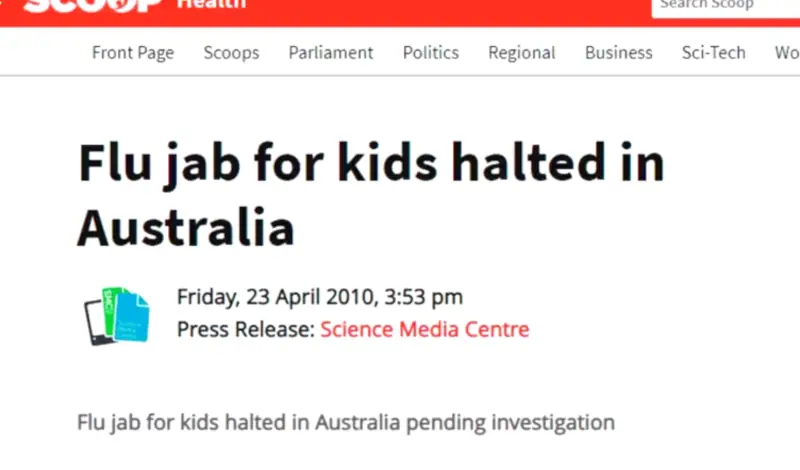
Risks for vaccine-injury are difficult to predict. For example, an influenza vaccine launched in Australia in 2010 was expected to be safe. However, the government were forced to halt the program for the under 5s when reports indicated that around 1 in 110 children were having seizures following vaccination [260]. The final figure for incidence of seizures was suggested to be closer to 1 in 200 children. The convulsions were blamed on a heightened immune response caused by too many viral ingredients being included in the jab [261]. This example illustrates how irresponsible it is to claim that a novel vaccine is safe. The reason the Australian vaccine affected some children and not others is still not known. This is a key point about using statistics to predict risk. What is tacit, but not often admitted is that the person-specific interaction - what is actually going on - is simply not understood. In reality, the chance of adverse effects in the victim is 100% and for the unaffected 0%. Something notable about the case of the halted program of flu vaccination in Australia was that the manufacturer performed studies for several years after the incident in order to investigate what caused the children to have seizures. Their intention was to use that information to refine production for future use. This is clear evidence that the vaccine that was initially deployed was, in reality, experimental.
There is a clear need to move beyond a banal binary pro-vax / anti-vax debate and understand that for all the potential good they were hoped to do, there were genuine, scientifically-based, concerns about the detrimental effects of vaccines in general and especially about SARS-CoV-2 vaccines. Indeed, Bill Gates suggested that a severe adverse reaction to COVID-19 vaccines could occur in approximately 1 in 10 000 people (0.01%) - an issue he was highlighting because of the risk of compensation claims [262]:
...governments will have to be involved because there will be some risk and indemnification needed...
Members of the fact-checking Stasi claimed he meant side effects in general and the 1 in 10 000 figure was purely hypothetical. By this they presumably mean fabricated or not evidence-based? If that were the case, would you not expect them to be leading a public outcry over such a prominent, and powerfully vocal, vaccine-promoting activist just making statistics up on the spot? Either way, the claim that Gates might have been referring to minor adverse effects occurring in 1 in 10 000 people is demonstrably incorrect. Initial trials showed high levels of minor adverse effects. For example, in Moderna trials, up to 70% who received the vaccine reported symptoms such as fatigue; more than 1% reported serious adverse effects [263].
As the vaccination program was rolled out, adverse effects became such a common concern that some sections of the popular media began to promote them as a good thing [264]. An NHS consultant, writing about concerns over mandatory vaccination did not agree [265]:
...what I am currently struggling with is the failure to report the reality of the morbidity caused by our current vaccination program within the health service and staff population. The levels of sickness after vaccination is unprecedented and staff are getting very sick and some with neurological symptoms which is having a huge impact on the health service function.
In the same letter, the consultant, a person who had worked in front-line delivery of COVID-19 hospital services, went on to say:
Mandatory vaccination in this instance [for NHS staff] is stupid, unethical and irresponsible...
Only a few weeks after it was published, the BMJ made the rare move of censoring this letter and removing it from their website [266]. The reason they gave was not because of the content of the letter itself but because other people were misrepresenting what it said. As should be obvious to any reasonable person, access to the original letter would be absolutely essential to prove misrepresentation. Imagine if we banned every publication because some other party misinterpreted or misrepresented what it said? There would simply be no books, newspapers, magazines, or scientific publications allowed anywhere. You could get something somebody else wrote banned simply by writing an inaccurate blog article about it. This is utterly absurd, but indicative of the sort of irrational, cult-like, book-burning mindset that has been increasingly imposed by the mechanisms of governance and control that have emerged under the veil of the corona virus pandemic. Of course, there is only one reason the BMJ banned Polyakova's letter - they (possibly under significant external pressure) did not want people to read it.
Such censorship does not encourage reasonable and rational discussion or debate. It only acts as an assertion of political authority and force of will, sending a clear signal that it is power and authority that are shaping dominant narratives and not calm reason or scientific logic. The use of such political censorship acts to avoid themes of discussion becoming more widespread and open to investigation. This is the opposite of what science is and what scientists should be doing. It is particularly problematic when an experimental drug is being deployed against a novel disease on such a wide scale.
According to the repetitive, banal, child-like mantra of the vaccine cult, SARS-CoV-2 vaccines are 'safe and effective'. If they were safe, the manufacturers would have no need to seek to evade liability through legislation or contract clauses for damage caused by their products. They do so because vaccines are not completely safe. Nor are they fully effective. In fact, the history of vaccines is littered with incidents that would, quite understandably, cause people to feel a little cautious about taking them despite their proven efficacy in reducing or eliminating the incidence of many diseases. One example is a decades-long controversy about contaminated polio vaccines that were administered during the late 1950s. Evidence was found that the vaccines had somehow been contaminated with SV40 - a simian vacuolating DNA virus. SV40 is associated with a risk of causing cancer [267]. Analysis of vaccinated populations suggested that there was enhanced incidence of cancer in those who had been vaccinated - 98 million people in total [268]. It is difficult for analysts to conclude definitively how many people may have been affected. The vaccine used deactivated polio virus and the deactivation process should also have deactivated the SV40, but the process failed. How many and who got inoculated with what is not clear. However, the evidence is compelling and what is clear is that there has been some effect causing increased incidence of cancers amongst the vaccinated population. In 2006, a consultant for pharmaceutical companies presented an argument that there was no evidence that SV40 caused cancer. His intention was seemingly to dispel concerns associated with vaccines (although it is notable, and laudable, that he did make robust suggestions for improving vaccine development to help promote trust in the technology) [269]. However, robust analysis shows firm evidence for a link between SV40 and cancer, particularly bone cancer [270, 271, 272]. Decades later, scientists are still investigating the link and potential causal mechanisms.
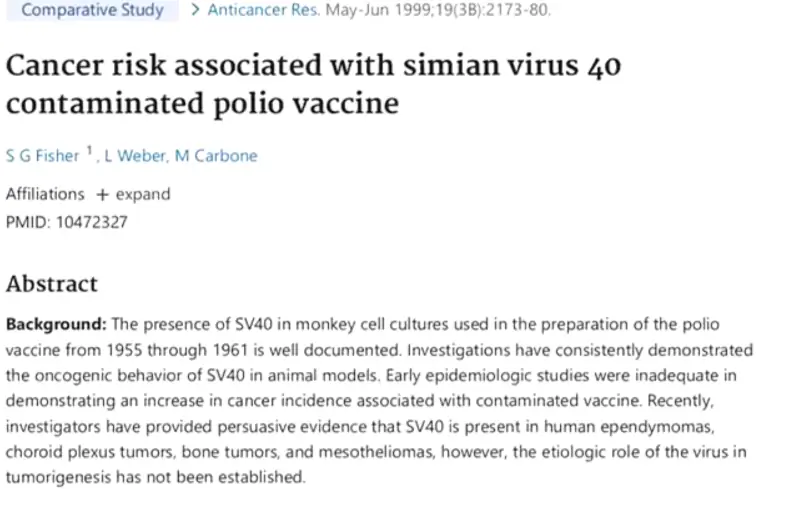
Polio vaccines have proved controversial for other reasons too. There is no question that global vaccination programs appear to have been successful in contributing to a massive reduction in the disease. However, there are still numerous polio cases being reported in Pakistan, India, and some countries in Africa. Often, they are actually caused by the vaccine, but attempts are made to keep such incidents out of the public eye [273, 274]. In November 2019, Edna Mohamed reported in the Guardian [275]:
...more children are now being paralysed by vaccine-derived viruses than those infected by viruses in the wild, according to global health numbers.
Analysis of rates of non-polio acute flaccid paralysis in India, which were suspiciously higher than expected, show an extremely strong statistical relationship with rates of oral polio vaccination [277]. The authors who made this discovery suggest that as many as 490 000 cases of paralysis may have been caused by polio vaccine programs during the period 2000-2017. They recommended reducing the extent of the vaccination program. Despite this, and the fact that many of those targeted by vaccine programs lack access to the most basic human health needs, such as fresh drinking water and effective sewer systems, international aid agencies continue to prioritise vaccination programs [276]. Oral polio vaccines are cheap and easy to administer. However, they have also caused infections and mutations of the disease leading to the absurd situation that most vaccines are now administered to protect populations from infection caused by mutated disease that has arisen from previous vaccination programs [274]. In other words, there is a reservoir of people who are incubating polio variants following vaccine programs. Therefore, it would seem historically short-sighted to herald the permanent success of polio vaccines. If a virulent mutation were to arise in a population who were suddenly no longer able to access vaccines, perhaps due to natural disaster or conflict, there could be an epidemic. The potential for an unanticipated mutation that proves to be vaccine resistant leading to an epidemic cannot be eliminated either. Evolution can produce surprises, suddenly, and unexpectedly.
Possibly the most notorious incident involving polio vaccines was the Cutter incident in the USA [278]. This involved polio vaccines that directly caused 40 000 polio infections resulting in 200 paralysed children, and 10 deaths. The incident became infamous because of a legal judgement arising from claims made for compensation for vaccine injury. The manufacturer, Cutter, had followed all published guidelines in the manufacture of the vaccine and so was not found to have acted negligently yet was still held liable for damages because the product did not match the manufacturer's claim that it was 'safe and effective'. This seems to be perfectly understandable. If someone tells you something is safe and effective, yet it is ineffective, and in some cases, extremely dangerous, surely there should be serious consequences? The pharmaceutical industry was so concerned about the future economic viability of vaccines that they lobbied government to address the issue of liability. The incident led to the legal changes that exonerated manufacturers from liability and instituted the government-backed vaccine injury compensation program and similar programs in other countries. Effectively this means that manufacturers can continue to claim that vaccines are 'safe and effective' without concern about liability arising from an event similar to, or worse than, the Cutter incident. Some may believe this was the right thing to do in view of the benefits that vaccines are said to bring. However, an alternative view may be that this has led vaccine science astray from the thorough, longitudinal studies and due diligence in manufacture and administration, that could have led to more effective risk management, and a safer, more effective, vaccine industry.
Vaccine producers might prefer to avoid liability but not all countries have acquiesced to demands to instantiate sweeping schemes such as those in the UK and USA which liberate vaccine makers from liability for their products. For example, the Brazilian government were astounded by the demands made by Pfizer executives during contract negotiations over the supply of SARS-CoV-2 vaccines and accused them of bullying the country. Pfizer were insisting that Brazil set up a government-backed indemnity scheme as a fund to cover claims following adverse effects from vaccine administration [279]. To cover the full extent of potential liabilities, Pfizer were demanding that this fund be backed up by government assets including military bases and embassy buildings. They threatened to refuse to supply any vaccines if Brazil did not meet their demands. There is some suggestion other countries may also have been subject to such coercion, but confidentiality agreements may prevent public disclosure.
By August of 2021, data from Public Health England and analysis by SAGE concluded that vaccinated people infected with COVID-19 were found to be carrying the same viral load and therefore had the same potential for spreading the virus to others as unvaccinated people did [280]. What they did not admit was that vaccinated people were more likely to form an environment capable of producing more virulent and deadly strains. This tacit admission that vaccination had failed was accompanied by an alternative suggestion for ending the COVID-19 crisis - to stop testing people who were not sick and to stop counting 'cases'.
e.iii. Acute and Chronic Heart, Blood, and Circulatory Problems
Of the many reported post-vaccination adverse effects, blood clots were one of the few that received some coverage in the popular media. Due to the prevalence of the issue, it would have been difficult to ignore. In March 2021, Norwegian scientists sparked controversy when they declared that the vaccine was the only viable causal explanation for the occurrence of blood clots in three health workers shortly after they had been injected with the AstraZeneca vaccine [281]. One of the workers later died. Some experts, including June Raine of the UK's MHRA, dismissed the event, and many others like it, as a coincidence. Unfortunately, the MHRA did not, and still have not, published any evidence-based review showing how they arrived at that conclusion. It appears that they expected their word to be taken as fact without question. By contrast, researchers in Germany who took the issue seriously found that there appeared to be an immune-induced response in the blood that caused clotting on the brain leading to blocked blood flows - a condition known as thrombosis [282]. The effect is similar to the clotting occurring when a wound heals. Ordinarily this wouldn't happen with internal blood flows, but the vaccine was found to be associated with the activation of blood platelets causing them in some cases to form clots.
Shortly after the German research connecting vaccines and blood clots had been made public, the MHRA admitted that there were dozens of reported cases of thrombosis in the UK. Most were brain clots and at least seven people had died [283]. However, they insisted that the events were rare and continued to use the word 'safe' to describe the vaccine. By early April 2021, the head of the European Medicines Agency declared that there was a clear link between the AstraZeneca vaccine and blood clotting, but they did not fully understand the mechanism at that point [284]. The MHRA then confessed that, by that point, 19 people had died due to clots, including three people under the age of 30 [285]. In mid-April 2021, Denmark became the first country to stop the rollout of the AstraZeneca vaccine completely. Their decision was made after they found that vaccine-associated blood clots had killed at least one person and appeared to affect 1 in 40 000 people - a much higher number than expected. The BBC reported the issue, but in an addendum to their report they referred to the viral spike protein, the one the body produced following vaccination, as 'harmless' [286]. This is a scientifically inaccurate piece of propaganda aimed at discouraging scepticism over vaccine safety; as shall be shown shortly, the spike protein is far from harmless.
The UK had completely missed early warnings over a link between clots and the AstraZeneca vaccine. It appeared the reason for this was that the MHRA was using an automated monitoring system deploying algorithms in a hastily constructed computer program [287]. It seems nobody was checking the data; everything was being left to software. Who coded it is unclear and no independent team has been given access to audit the program to ensure it is both medically and computationally accurate.
Stories of serious and deadly blood clots occurring following vaccination continued to surface. These included a serious illness for Princess Michael of Kent, the death of BBC Radio Presenter Lisa Shaw, the death of a British model - Leah Sinclair - who was living in Cyprus, the death of 47-year-old mum of three Lucy Taberer, and the death of 43 year-old mum Tanya Smith [288, 289, 290, 291, 292]. In July, Vikki Spit, the partner of a man who died in excruciating pain from blood clots on the brain following an AstraZeneca vaccine, pleaded with people to reject being 'fobbed off'. She was concerned that medical personnel were being inattentive to potential links between the presentation of medical symptoms and links with serious adverse effects caused by the vaccines [293].
Such cognitive blind spots become inevitable in a population that is subject to constant propaganda that downplays and dismisses the bad side of vaccines. They affect medical professionals and patients alike. Charlotte Wright, the wife of a UK man who had died due to vaccine side effects, described how she had been in denial about the link for a long time because both her and her recently deceased 32-year-old husband were so enthusiastic about getting vaccinated [294]. Had the link not been medically confirmed it is unlikely she would have entertained the idea. Once she had come to terms with the fact that her young and healthy husband had been killed by a vaccine, Charlotte Wright began to campaign for an overhaul of the compensation scheme for UK vaccine injuries and expressed dismay at the lack of help and support for the vaccine victims and their families.
As a result of mounting clot-related deaths (over 60 confirmed by June 2021) plus the number of non-fatal clots occurring following use of the AstraZeneca vaccine, the MHRA reluctantly restricted its use in the under 40s. Both AstraZeneca and Johnson and Johnson - whose vaccine had also been causing clots - said they were working on ways of reducing the risk [295]. Remember, just months earlier the MHRA, in reliance on their algorithms, had said there was no safety issue. In July 2021, data analysis by scientists suggested that the Pfizer vaccine, previously presumed safer, appeared to have an equal or greater risk of causing clots than the AstraZeneca vaccine [296]. Blood clots were not the only cardiovascular problems associated with the vaccines. In June 2021, a 13-year-old boy from Michigan who was claimed to have been otherwise healthy, died from an enlarged heart three days following receipt of a Pfizer injection [297]. In a particularly tragic case, a 45-year-old woman from Baltimore, Maryland, vaccinated in response to a mandate imposed upon her as a condition of employment, died following an adverse vaccine reaction which caused swelling on the brain and heart problems [298].
Links to vaccination and myocarditis were investigated by researchers who studied a cohort of military personnel. They found 23 personnel, people who had been extremely fit and healthy, went on to develop myocarditis within 4 days of receiving a COVID-19 vaccine [299]. No other cause could be identified. Notably, 20 of the cases occurred following the second vaccination dose. The researchers concluded that prior exposure was a significant factor in the hypersensitivity response and indicated that people who have recovered from a prior COVID-19 infection would be at much greater risk of developing myocarditis in response to vaccination.
A group of researchers who investigated the potential causal connection between SARS-CoV-2 and heart problems (in this instance myocardial hypertrophy) concluded that the S1 subunit of the spike protein was capable of harming heart cells by triggering their innate immune response [300]. In August 2021, the US CDC released an interim report into adverse events following COVID-19 vaccination in children aged 12-17 [301]. The most notable finding was a high prevalence of myocarditis; figures suggested it affected around 1 in 22 000 children. The cause of myocarditis is likely to be an auto-immune response induced by the vaccine. Many of those who suffer myocarditis and survive in the short-term will have a reduced life expectancy with some dying from heart complications in the years following the initial myocarditis event [302].
Thrombocytopenia is another pathology that has commonly occurred following vaccination. The condition refers to a low blood platelet count. Blood platelets are essential to help blood form clots; a lack of platelets can lead to spontaneous and/or excessive bleeding, including inducement of large areas of bruising under the skin. While this may seem to be the opposite of blood clotting, the two events - clot formation and low platelet counts, sometimes accompanied by excessive bleeding, are associated. The condition is called TTS - thrombosis with thrombocytopenia syndrome - and is known to be caused by certain vaccines including the AstraZeneca vaccine and the Johnson and Johnson vaccine which have an adenovirus-based vector [303]. Indeed, it has been known for many years that adenovirus-based vaccines can cause thrombocytopenia - a paper released in 2003 confirmed that inoculation with replication-incompetent adenovirus was clearly associated with the induction of low platelet counts [304]. The effect was correlative with dose.
The use of adenovirus vectors for the delivery of gene therapy products (which is really what the DNA and mRNA-based vaccines are) was confirmed as a serious safety issue in 2007 due to the effects on blood platelet counts; evidence of endothelial activation was also found [305]. Endothelial activation is an inflammatory state of the tissue that lines blood cells and can increase the likelihood of coagulation (blood clotting). Experts who examined the mechanism of adenovirus-based DNA COVID-19 vaccines found that they were significantly more likely to induce inflammatory responses in endothelial tissue, especially following a second dose, than mRNA vaccines [306]. They specifically identified an issue with events that occurred while the cell was producing proteins from the RNA (that had been created from the injected DNA). Problematic variations of the spike protein were produced provoking a pathogenic autoimmune response. The researchers called this vaccine-induced COVID-19 mimicry syndrome because the vaccines were effectively creating a disease comparable with COVID-19 itself. With respect to this issue, they confirmed that the DNA sequences used by AstraZeneca appeared to be far more problematic than those used in the Johnson and Johnson vaccine and that vaccine manufacturers needed to work harder on the complexities of how their products worked in order to make them safer.
Thrombocytopenia is not solely associated with adenovirus-based vaccines. It has also been linked with measles vaccines, including the MMR vaccine. A study that investigated reports from the VAERS (Vaccine Adverse Event Reporting System) in the US confirmed that serious thrombocytopenia, including deaths associated with gastrointestinal damage and sepsis, was associated with measles vaccines [307]. The general incidence was low (around 1 in 30 000), but the researchers did suggest that caution should be advised in patients who may have a propensity for developing thrombocytopenia. However, most physicians may lack knowledge about the potential for novel therapies to induce thrombotic events. In 2015, the publication of a detailed meta-analysis about physicians’ knowledge of treatment-induced thrombotic events revealed that there was serious under-reporting of both venous and arterial thrombosis in randomised control trials, the majority of which had not even bothered to include the conditions when reporting on product safety [308]. The implications are stark. If physicians are not even aware of the possibility of a connection, then making a link between a treatment and an ensuing medical condition becomes highly unlikely. The true extent of such links is then lost in the darkness of the medical profession's collective cognitive blind spot.
There has been much debate and uncertainty about what is causing the side effects attributed to the vaccines, especially with regard to thrombocytopenia and other heart and circulatory problems. Autoimmune responses were implicated and appear to be exacerbated by repeat exposure to proteins present in the virus and produced as a consequence of vaccination. What is clear, is that the highly active scientific debate only reinforces the view that, regardless of any official or legal label attached to them, the vaccines being administered in 2020 and 2021 were very much experimental.
e.iv. Temporary Drop in Immune Function
Like most vaccines, it was known that COVID-19 vaccines could cause a temporary but notable drop in the efficacy of the immune system for a period of up to a week following inoculation. For reasonably healthy people this may be of small consequence but for those most susceptible to the virus, this indicated a serious additional risk. If vaccine recipients were already carrying the virus but had yet to show symptoms, or if they picked up an infection either from SARS-CoV-2, influenza, or some other infectious disease soon after their vaccination, then their ability to fight these additional challenges in the post-inoculation period would be significantly diminished. This could be especially salient for the elderly, people who have had organ transplants, and people with poorly functioning immune systems; a problematic fact when coupled with evidence that vaccines may be completely ineffective for some people within these groups [309]. It would make inoculation all risk and no benefit. One way of handling the risk of exposure during the vaccination process would have been to test people pre-vaccine to ensure they were not already carrying the disease. Another would have been to test people at the same time as they received their vaccine so that vaccination centres with huge throughputs of people could be monitored in case they became the potential source of infection for vulnerable persons. None of this was done. There is evidence that suggests people with symptomatic disease were avoiding tests and attending vaccine centres [310].
Numerous stories have emerged where lethal outbreaks of disease were reported following a program of vaccination. Cambodia was a nation that had seen comparatively low impact from infection and zero deaths before it commenced its national vaccine program toward the end of February 2021 [311]. Within a month, cases in the nation had doubled - the spike in cases commencing ten days after the vaccine program was rolled out [312]. Reports also emerged from care homes that suddenly experienced unexplained deaths, and sometimes lethal outbreaks of COVID-19, after administering vaccines to residents; such incidents were reported in the UK, Germany, Norway, and Canada [313, 314, 315, 316]. Some have speculated about a direct link with the vaccine as the potential cause. However, another potential explanation is that weakening the immune systems of a cohort of vulnerable people, combined with the presence of medical staff who were entering and leaving different places regularly, might have created a perfect opportunity for opportunist pathogenic infection to take hold, replicate and spread.
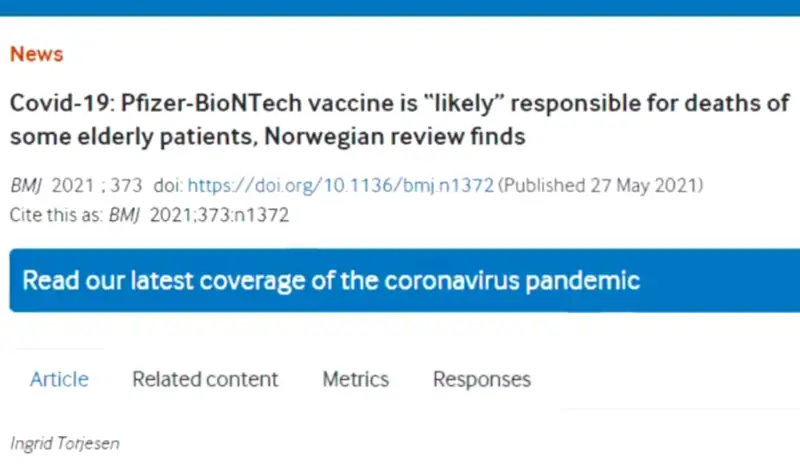
In a study published by the Coronavirus Clinical Characterisation Consortium, it was shown that the majority of people who had been vaccinated, but were later admitted to hospital for treatment for COVID-19, had been infected around the time of vaccination [317]. An example of further evidence for the risk of infection occurring during the vaccination procedure comes from reports that a testing centre in Cardiff, Wales, was found to have been staffed by several people who tested positive for COVID-19 after assisting in the vaccination process [318]. Aside from the immediate risk of short-term effects and increased risk of infection due to lowered immune system function, other potential undesirable consequences of vaccination are more complex and some could take a much longer period to emerge.
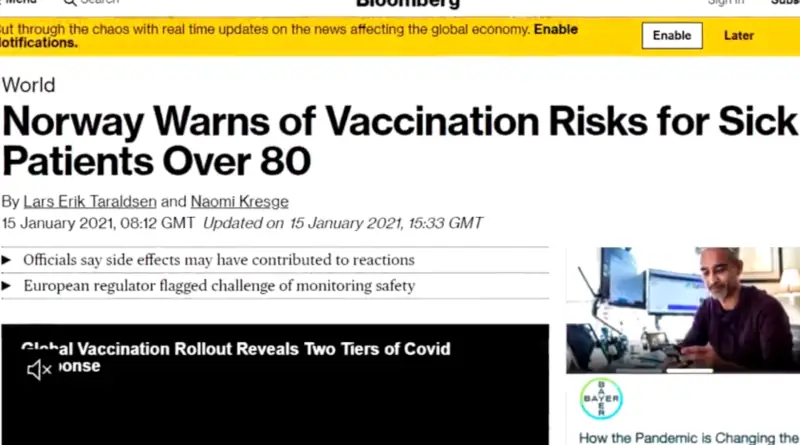
e.v. Antibody Dependent Enhancement
In 2018, the researchers Smatti et al. discussed several studies involving corona viruses [319]. They drew attention to evidence of antibody-dependent enhancement (ADE) – a mechanism which enables a virus to become more effective at penetrating cells by harnessing antibodies which have failed to neutralise it. The ordinary mechanism of an antibody-enabled immune response would be for the antibody to attach to the virus and act as a signal and means of entry into cells (lymphocytes) which enclose the virus and then proceed to break it down, rendering it harmless. However, through ADE, viruses can develop the ability to use this process by using the antibody as a trojan horse to enable access to the cell. The immune cell fails to break the virus down once it is inside. Instead, the virus hijacks the cell and uses it as a virus factory. It is clear that there were good grounds for acknowledging the very real risk of ADE and those developing SARS-CoV-2 vaccines would have been wise to be thorough in their trials to ensure they were not introducing something that, in time, could potentially make a disease outbreak worse or cause serious complications for some of those who have been vaccinated. To do this properly would have taken considerable time. However, there was a dearth of clinical studies that investigated ADE in SARS-CoV patients [319].
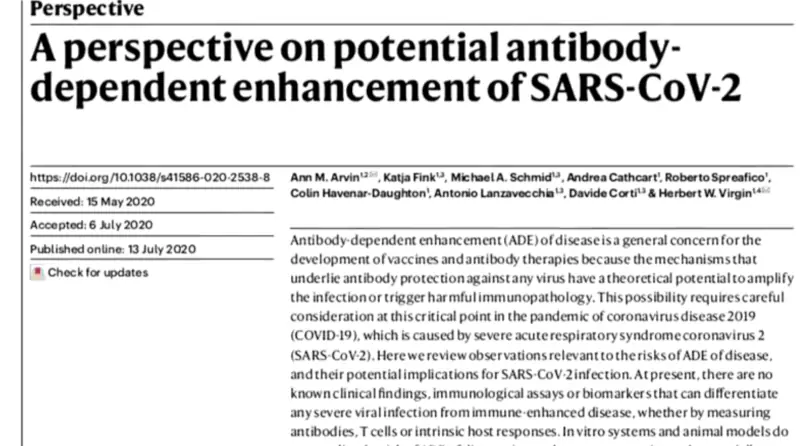
Concern about ADE was echoed in an article that appeared in the journal 'Nature' in June of 2020. The authors made a strong argument that full exploration of potential risks from ADE must be investigated during SARS-CoV-2 vaccine development [320]. However, shortly afterwards, another paper was published in Nature explaining that there was in fact no reliable way of predicting the risk for ADE in humans, nor were there reliable clinical indicators that could assist in differentiating severe infection from an illness severely exacerbated by antibody dependent enhancement [321]. This implies that it is near impossible to calculate the risk of ADE without prolonged and intense study requiring the use of human subjects. If ADE occurred on a significant scale, the effects could easily be attributed to another cause such as a new variant, especially if doctors were not aware of the risk of ADE and had no means by which to identify it. ADE associated with prior exposure to other forms of corona virus in elderly populations has also been proposed as one of the potential factors causing higher death rates within that demographic [322]. In January 2021, a further article appeared in the journal 'Cell Death and Differentiation', a journal published by Nature, that supported concerns about ADE. The authors highlighted several areas of uncertainty relating to the novel corona virus vaccines including: a lack of evidence for long-term protection, uncertainty as to vaccine efficacy in vulnerable groups, and a lack of understanding about long-term risks [323]:
...the time required to evaluate the dangers and risks that may arise from a new vaccine must be included in its development. In some cases, vaccines prepared against other corona viruses or other viruses have worsened the disease and have induced T helper 2-type immunopathology.
As already mentioned, a serious complication in trying to understand and study the effects of ADE is that there is no easy or reliable way of telling if any given patient is suffering due to a serious viral infection or due to an infection that has been seriously exacerbated by ADE [321]. The apparent lack of concern shown by those performing clinical trials for COVID-19 vaccines is disconcerting. A review published in Nature in October of 2020 warned that there was a real possibility that ADE could occur with SARS-CoV-2 [324]. The Nature article also confirmed that there was an additional danger with non-antibody related enhanced respiratory disease (known as ERD) - effectively similar to ADE in the sense that an infection could be made far more severe as a result of immune-responses that were over-stimulated as a result of inoculation. Experts in medical ethics who performed a thorough review of the literature concerning ADE within the context of the ethics of disclosure applied to SARS-CoV-2 vaccine trials concluded [325]:
...vaccines designed empirically using the traditional approach (consisting of the unmodified or minimally modified corona virus viral spike to elicit neutralising antibodies), be they composed of protein, viral vector, DNA or RNA and irrespective of delivery method, may worsen COVID-19 disease via antibody-dependent enhancement (ADE). This risk is sufficiently obscured in clinical trial protocols and consent forms for ongoing COVID-19 vaccine trials that adequate patient comprehension of this risk is unlikely to occur, obviating truly informed consent by subjects in these trials.
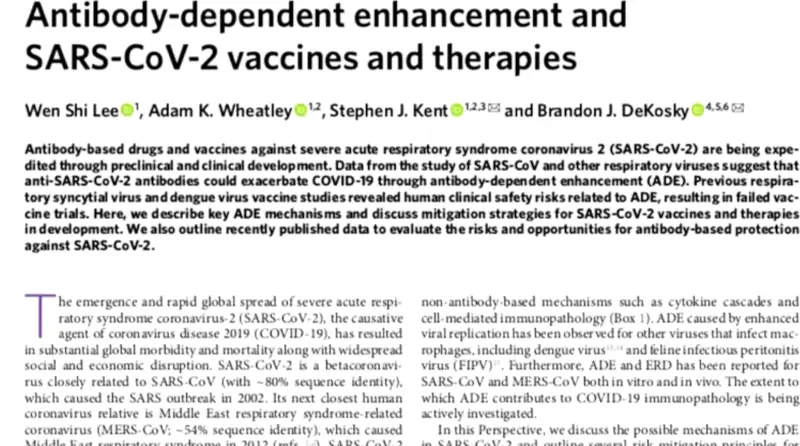
If a lack of consent was an issue in clinical trials, then it would certainly have been pertinent to the roll out of vaccines to the general public. Early, short-term animal studies did suggest low risk from ADE in vaccines used in trials, including the AstraZeneca vaccine [326, 327]. However, these conclusions were drawn from extremely small populations with weak statistical certainty; they did not examine ADE directly but observed that the animals experimented upon predominantly produced TH1 cells rather than TH2 cells – TH2 cells usually being associated with ADE. Data from the ZOE Covid symptom study analysed in May 2021 suggested that those who had been exposed to the virus, and then later received a vaccination, were twice as likely to experience adverse reactions – a likely sign of immunopathology [328].
e.vi. Pathogenic Priming and Autoimmunity
A notably succinct and informative review paper was published on 9 April 2020 in the Journal of Translational Immunity, an Elsevier publication. It was titled, “Pathogenic priming likely contributes to serious and critical illness and mortality in COVID-19 via autoimmunity”. The author – Dr James Lyons-Weiler – has previously acted as an expert witness in vaccine injury cases held by the National Vaccine Injury Program in the USA [329]. In his article, Lyons-Weiler discusses the findings of autopsies on Chinese patients who had died with COVID-19. They found lung scarring associated with autoimmune pathology. This was evidence of serious and sometimes fatal lung damage caused by the patients’ immune systems attacking their own lung tissue. Lyons-Weiler proceeds to discuss research papers dating back as far as 2004. These papers contained evidence from experiments in which animals vaccinated with a coronavirus (SARS-CoV or MERS-CoV) were later exposed to the same disease, or a similar one. This is called a “challenge” and is designed to test vaccine efficacy. The results showed that serious complications occurred as a result of what is normally termed “immune enhancement”. Lyons-Weiler prefers to use the less euphemistic term “pathogenic priming”. Once the animals’ immune systems had been primed by an initial exposure to viral proteins, the response to the real virus was so dramatic that it produced disastrous effects. Many animals developed serious conditions such as hepatitis and lung damage, and some died. These studies were of particular concern to the COVID-19 outbreak because many patient deaths involved pneumonia-type symptoms associated with a “cytokine storm”.
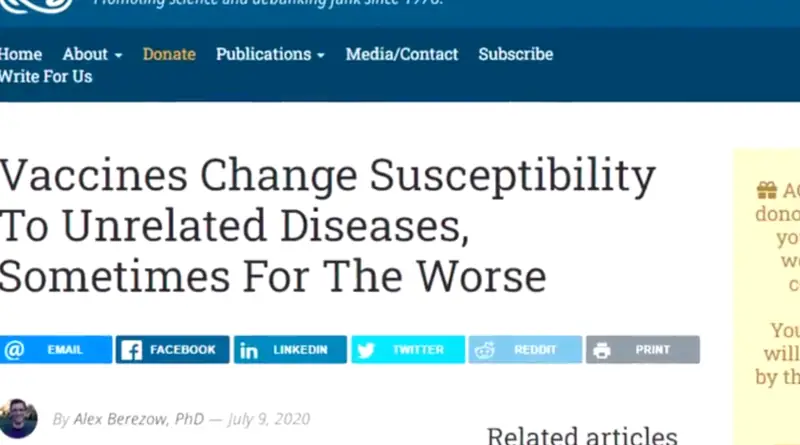
The cytokine storm is a dramatic and damaging immune response. Therefore, there could potentially be a significant risk of harm when a person's immune system is subject to multiple exposures to SARS-CoV-2 viral proteins. Such repeat exposure may lead to an over-reactive response with serious symptoms and potentially chronic or fatal consequences for some people. Examples of how this additional risk could be created include: catching the disease and recovering followed by later vaccination; receiving a vaccination followed by later exposure to the virus; having multiple vaccinations. The more incidents of vaccination and/or exposure to the virus, or similar viruses, the more enhanced this risk might become (for some people).
The mechanism for pathogenic priming is known and explained in Lyons-Weiler’s paper. Medical science recognises many immunogenic peptides – peptides that can cause immune responses and can sensitise the immune system in ways that may lead to allergenic responses in some individuals. Mechanisms for how autoimmune responses could occur include epitope spreading, molecular mimicry, cryptic antigen, and bystander activation; these are ways in which the immune system comes to recognise non-pathogenic elements – such as the body’s own tissues – as pathogens. The H1N1 outbreak of 2009 and subsequent global vaccination programs produced evidence for such links [330]. Following mass vaccination programs against H1N1, there was a significant increase in narcolepsy cases in Europe and China within the vaccinated population. The suggested mechanism involved similarity between an influenza surface protein and a neuropeptide secreted by the hypothalamus involved in sleep regulation.
The same H1N1 vaccine was associated with increased risk for Guillain–Barré Syndrome (GBS), as was the rushed and poorly researched 1976 swine flu vaccine [330]. The rollout of the 1976 swine flu vaccine was based on predictions of a potential pandemic mirroring the 1918 Spanish flu. However, inoculations were halted due to hundreds of GBS cases and several deaths – a time when the principle of “do no harm” appeared to have more meaning [331]. Despite vaccine withdrawal, no pandemic occurred. GBS is a rare condition in which the immune system attacks nerve tissue, causing numbness, tingling, loss of limb control, and paralysis. Scientific debate concerning serious autoimmune disorders following vaccination has been ongoing for decades [330].
Autoimmunity can also cause or trigger mental illness, and there are proven links between autoimmunity and vaccines, although the full causal mechanisms remain controversial. A statistically significant temporal correlation between vaccination and psychiatric disorders (notably anxiety) was found in a study conducted by researchers at Yale University [332]. The authors referenced earlier published research suggesting brain inflammation linked to autoimmunity as a potential mechanism, but stressed that additional large-scale research was needed. Commenting on the publication, Yale immunopathologist Professor John Rose suggested that there might not be a direct biological link and instead proposed that the trauma of the inoculation process itself may be the trigger [333]. However, his only evidence was his own anecdote of receiving a polio vaccine. He offered no empirical evidence supporting his alternative explanation. This rejection of published findings in favour of anecdote illustrates how dogma and assumptions can influence scientific reasoning. Such bias represents a barrier to progress in researching these issues. Professor Rose also expressed confidence in vaccine safety based on standard product development procedures:
Rose, who developed a vaccine template that was used for the development of the current Ebola vaccine, said he trusts the current process of drug development to establish safety measures for vaccines. On average, a vaccine takes 15–20 years to be fully approved [emphasis added], Rose said.
Contrast that with the amount of time spent on producing the novel SARS-CoV-2 vaccines.
Studying the adverse effects caused by vaccines is not just difficult due to the received dogma of large parts of the biomedical science community. The complexity of the causal processes involved exposes how much is not known about human biology — particularly regarding the immune system, autoimmunity, epigenetics, and the implications of genetic specificity (how some people can be affected but not others). Additionally, there are many environmental factors which vary across populations and over time: reactions differ for different people in different places at different times of life. A vaccine that is safe and effective for one person may not be for another. In a small number of cases, it might kill or permanently disable them. One size does not fit all.
Limitations in funding for bench research mean that many researchers make use of advances in computer software to perform investigations that would otherwise be impossible. This is called “in-silico” research. Much research contributing to the construction of the SARS-CoV-2 genome, testing procedures, and vaccine development was done this way. Lyons-Weiler also used such methods. When he analysed proteins understood to form part of the SARS-CoV-2 structure, he found that over two-thirds contained known immunogenic peptides. One third had similarity to proteins in the human adaptive immune system sufficient to potentially cause disease [329]. The spike protein was identified as the most concerning. This was an early indication of a realistic danger of autoimmune responses being triggered by a COVID-19 vaccine or exposure to the virus. However, there is an important difference: natural infection requires the virus to enter the body through external surfaces, encountering physical barriers and the primary immune response. Inoculation bypasses these protections and introduces immune-provoking material directly into deeper tissues. Vaccines also contain other potentially immunogenic ingredients; in SARS-CoV-2 vaccines, some of these are entirely novel. Data on their pharmacokinetics and toxicity, including genotoxicity, is poor or absent.
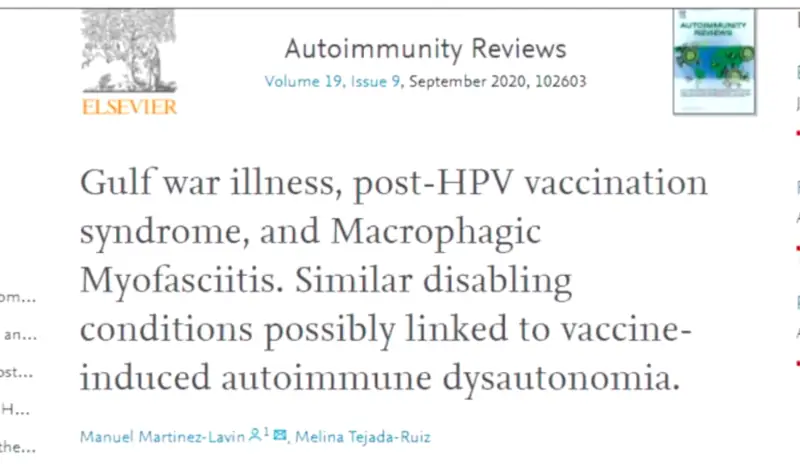
A further complication is that the S1 subunit of the spike protein can cross the blood–brain barrier and rapidly enter neurological tissue [334]. The spike protein has been shown to affect brain barrier function [335]. It may also cause microvascular injury linked to chronic health issues associated with long-COVID, increasing risks of neurological deterioration including mental illness, memory dysfunction, Parkinson’s disease, Alzheimer’s disease, and other neuroinflammation-related conditions [459]. This has implications beyond direct vaccine effects, as the brain barrier protects against viruses, bacteria, fungi, toxins, and pollutants. Disruption of this barrier may enable harmful substances to enter delicate brain tissues.
In his conclusion, Lyons-Weiler did not argue for banning vaccines. He suggested that research into potential COVID-19 vaccines should ensure thorough animal testing to assess autoimmune risks. Such research should examine complications affecting the lungs, kidneys, liver, and brain. Viral neuroimmunopathology is a serious issue that can lead to impaired immunity, making patients more susceptible to pathogens, encephalitis, and long-term neurological diseases including demyelination — where the nerve cell sheath degrades, causing serious nervous system dysfunction [336].
Lyons-Weiler’s concerns were not unique. Scientists have long attempted to develop coronavirus vaccines. As early as 2012, a peer‑reviewed study by Tseng et al. warned [337]:
Caution in proceeding to application of a SARS-CoV vaccine in humans is indicated.
The authors noted that studies may find such vaccines safe if they examine only short-term risk. They raised similar concerns to Lyons-Weiler: immunopathology of the lung following later exposure to the wild virus. Further concern arises from research published in the Proceedings of the National Academy of Sciences showing that SARS-CoV-2 RNA fragments may be reverse transcribed into the human genome, potentially enabling ongoing expression of viral RNA [338]. The authors did not suggest this would produce whole virus particles, but noted that such integration could have important effects, including enhanced immunity in some people or adverse responses triggered by a hyper‑reactive immune system. This could lead to cytokine storms or autoimmune reactions targeting human cells producing the antigen. Endogenous antigen production could also cause false positives in antigen-based tests such as lateral flow tests.
Both the Moderna and Pfizer vaccines contain polyethylene glycol (PEG). PEG is used in pharmaceuticals, soaps, toothpaste, and processed foods. In the vaccines, it stabilises the lipid nanoparticles surrounding the mRNA. PEG had never been used in a vaccine before and was identified early as a possible cause of anaphylaxis, though some experts were sceptical [339]. In 2016, a researcher reported that PEG’s allergenic potency may have been severely underestimated [340]. Evidence supported this: 72% of people tested had detectable antibodies to PEG, indicating prior immune activation. Seven percent had levels that may predispose them to anaphylaxis [341].
Polysorbate‑80 is a surfactant used in the Johnson & Johnson and AstraZeneca vaccines. Surfactants force materials to mix that would otherwise separate (such as oil and water). Cell membranes rely on stable hydrophilic and hydrophobic properties, meaning surfactants are not ideal in the body. Polysorbate‑80 is used in food products such as ice cream, but its biological impacts are not widely recognised. It can affect the mucosal barrier and small intestine permeability, increasing absorption of pollutants [342]. In the bloodstream, polysorbate‑80 is known to increase blood–brain barrier permeability [343]. It has been identified as a vaccine ingredient capable of causing adverse reactions, though this is rarely recognised in clinical settings [344]. Experiments have shown it can cause inflammation, ulcers, hyperplasia (organ enlargement), and increased oxidative stress contributing to cellular toxicity [345, 346].

One group of medical experts, writing in the journal “Vaccine”, suggested that further research was needed into anaphylaxis linked to the new mRNA vaccine ingredients, specifically referring to the Pfizer and Moderna products [347]. They highlighted several ingredients with potential to cause allergic responses and noted:
The ionizable lipids that are used in both vaccines are novel amino-lipids and their allergenic potential is not known.
This indicates that administering such ingredients to humans was experimental. However, it was a poorly designed experiment. A disciplined scientific experiment would require testing each ingredient separately to avoid conflating effects caused by other ingredients or by synergistic interactions. Each combination of ingredients would also need to be tested individually. None of this was carried out by the vaccine manufacturers. Safety testing for the Pfizer vaccine excluded single‑dose toxicity, toxicokinetics (how the body metabolises and excretes substances), genotoxicity, and carcinogenicity. These concerns apply not only to the spike-protein mRNA but to all other ingredients, including novel components administered in a novel way. Further concerns were raised in an April 2021 paper in “Toxicology Reports” [348]:
Data on long-term studies, interaction with other vaccines, use in pregnancy/breast-feeding, use in immunocompromised subjects, and in subjects with co-morbidities, autoimmune or inflammatory disorders are still missing for these vaccines.
Adding to concerns about autoimmunity is evidence that COVID‑19 may involve virus‑induced autoimmune pathology. Research suggests that SARS‑CoV‑2 infection can trigger autoimmune responses against phospholipids in endothelial cells. It is possible that vaccines could induce anti‑phospholipid antibodies, leading to immunothrombosis [349].
e.vii. Vaccine-Induced Viral Evolution
Just like living organisms, viruses evolve under selective pressure. This means they can mutate into variants that evade vaccine‑induced immunity or exploit it via ADE. A 2017 paper examined why vaccine resistance is relatively rare (though not nonexistent) and listed examples where vaccine programs appeared to induce vaccine‑resistant mutations [350]. The authors suggested that the vaccines most likely to induce resistance are those that reduce disease severity but do not prevent infection, replication, or transmission. The reasoning is simple: while the virus replicates inside the body, random mutations occur. Variants whose antigens are not well targeted by vaccine‑induced immunity are more likely to survive and replicate. These survivors then spread. A new host may be susceptible even if vaccinated, enabling another cycle of replication and mutation.
People with natural immunity typically generate a broader immune response, with antibodies targeting multiple sites on the virus. Such immunity may better suppress variant emergence by reducing opportunities for replication. Vaccinated individuals, however, generate a narrower antigen response, and a mutated replicant capable of evading this response may cause prolonged infection, increased transmission, and more opportunities for further mutation. The result could be a more dangerous pathogen than the original virus. The risk depends on the diversity of the immune response induced by the vaccine.
One of the few vaccines known to induce rapid resistance was the hepatitis B vaccine (HBV). This is believed to be due to its lack of multiple antigenic targets. Multiple targets enable redundancy: if a mutation evades one target, others remain effective. A single-target vaccine, however, becomes vulnerable if a mutation alters that target.
The SARS‑CoV‑2 vaccines target only the spike protein. Upon launch, the public was told that the vaccines would not prevent infection, would not stop replication, and would not halt transmission; they were found only to reduce disease severity, hospitalisation, and were expected to reduce transmission [352, 353]. Evidence for these claims came from short-term studies. Thus, there existed a plausible mechanism through which selective pressure could produce vaccine‑resistant variants — and no evidence that this would not happen. A July 2021 report by the UK government’s SAGE committee confirmed the risk, stating [354, 355]:
...an increase in morbidity and mortality would be expected even in the face of vaccination since vaccines do not provide absolute sterilising immunity i.e. THEY DO NOT FULLY PREVENT INFECTION IN MOST PEOPLE. (Emphasis added.)
The same report stated there was a “realistic” likelihood of a significantly more virulent and deadly strain emerging. It discussed evolutionary processes that could lead to new variants of SARS‑CoV‑2, but—as critics noted—failed to mention how vaccines themselves could create selective pressures driving the emergence of more dangerous strains. This absence may reflect cognitive bias or conflicts of interest among the anonymous government authors.
Marek’s disease is a classic example of a case where vaccines have driven the emergence of variants that are both vaccine‑resistant and much more deadly to the unvaccinated than would likely have occurred naturally. The disease, a serious nuisance for poultry farmers, was first identified early in the 20th century by József Marek. Nevertheless, the poultry industry continued for decades before a vaccine was introduced. Once vaccination began, however, the severity of the disease worsened due to vaccine‑induced viral evolution. Vaccinated chickens became more likely to shed more virulent variants than non‑vaccinated chickens [356]. These new variants became deadly to unvaccinated birds, ultimately creating a situation in which all chickens had to be vaccinated or they would almost certainly die. It is possible that the SARS‑CoV‑2 vaccine programme could stimulate selective pressures leading to more virulent forms of the virus. This would resemble how other pathogens evolve resistance, including the emergence of antibiotic‑resistant superbugs. SARS‑CoV‑2 was newly identified, and the experimental vaccines had not undergone longitudinal studies; thus, the likelihood of such an outcome was unknown. Coronaviruses are known to be highly adaptive and mutate frequently, which is why those causing the common cold have never been eradicated. Given the appearance of multiple new SARS‑CoV‑2 strains in 2020 and 2021, it is clear that rapid evolution under selective pressure is possible. It is probably only coincidence that several “variants of concern” first appeared in countries conducting large cohort vaccine trials — Brazil, India, and the UK.
Professor Luc Montagnier, a Nobel Prize winner, stated publicly that he believed vaccines were driving the evolution of variants, and that spikes in cases and mortality which correlated strongly with vaccination rollouts and variant emergence might indicate this [357]. His views were not well received.
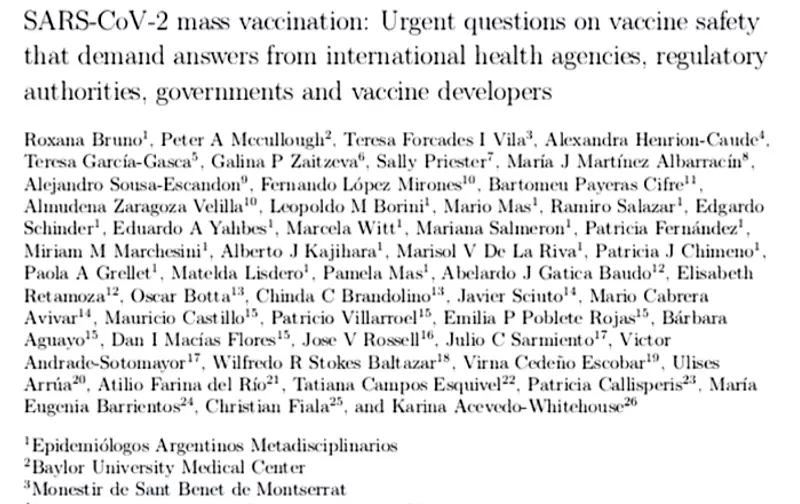
Significant and potentially vaccine‑resistant mutation becomes more likely as population‑wide immunity increases, whether through infection or vaccination [358]. It is plausible that mass vaccination programmes could induce the spread of increasingly virulent variants, potentially producing a pandemic far deadlier than that of 2020–2021. This risk may be increased if combined with antibody‑dependent enhancement and pathogenic priming. A similar view — more forcefully expressed — appeared in an open letter published in February 2021 by Geert Vanden Bossche, PhD [359], an expert virologist and former senior programme officer with the Bill & Melinda Gates Foundation. He argued that the ongoing experimental mass vaccination programme is:
...likely to become the biggest and most tragic mistake made in the history of public health in general and in the field of vaccination in particular.
Research published in April 2021 provided laboratory evidence that vaccinated individuals were becoming sources of variants capable of escaping vaccine‑induced immunity [360]. Some detected variants contained significant spike‑protein mutations, suggesting evolution to evade antibody responses generated by vaccination. Importantly, the authors concluded that these findings demonstrated poor cross‑neutralisation of receptor‑binding domain mutations by vaccine‑induced humoral immunity. Further research, published in July 2021, showed that the humoral response elicited by vaccination against the Delta variant was significantly weaker than against earlier strains [361]. The study also found that humoral immunity in recovered patients was much less effective against Delta. However, the study did not address cellular immunity, which may provide broad cross‑reactive protection; without this, conclusions about natural immunity are limited. Even so, the study clearly indicated that vaccine protection may be short‑lived because it does not generate complex cross‑reactive immunity. Long‑term prospects for vaccine‑acquired immunity would therefore be poor.
A particularly concerning possibility is that continued mass vaccination and repeated “top‑up” boosters could drive the virus to become so deadly that only vaccinated individuals survive. This occurred with Marek’s disease after decades of routine chick inoculation. Vaccination applied evolutionary pressure favouring highly virulent strains, while suppressing natural selective pressures that would normally promote adaptive resistance in the host population [356]. The fact that humans are not chickens does not invalidate comparison of evolutionary mechanisms. It is conceivable that a booster‑dependent system could fail suddenly due to mutation or supply disruption. Commentators promoting annual or biannual SARS‑CoV‑2 vaccination appear not to recognise this risk, instead focusing on short‑term concerns [362, 363].
The reverse scenario is also possible: vaccines could drive the virus to evolve in a way that endangers primarily the vaccinated. This could occur if a mutation enabled efficient antibody‑dependent enhancement (ADE), particularly involving spike‑protein antibodies. ADE occurs when the virus uses antibodies to enter macrophages and replicate. People who are vaccinated but have not experienced natural infection may lack the complex, multi‑targeted immunity that natural infection generates. Even those who have recovered from infection but were later vaccinated may have immune systems biased toward producing spike‑protein antibodies. A variant capable of exploiting these antibodies to enter cells would replicate extremely rapidly in individuals with high concentrations of such antibodies. Mass vaccination targeting only the spike protein creates evolutionary pressure for such a variant to emerge. Though not inevitable, the risk is increased — and consequences could be severe.
Another possible concern involves the small but non‑zero chance of reverse transcription. Retroviruses insert their RNA into host DNA using reverse transcriptase, but the process is error‑prone and can result in mutated sequences. SARS‑CoV‑2 is not a retrovirus, but modified RNA from gene‑based vaccines could theoretically be reverse transcribed by endogenous human reverse transcriptase, or by retroviral enzymes in co‑infected individuals. This could result in cells producing spike‑like proteins or fragments, potentially triggering autoimmune responses. If this occurred, symptoms might resemble chronic conditions associated with immunopathology — such as chronic fatigue and inflammatory disorders — which could cause long‑term disability and suffering without being linked to their true cause. Evidence linking vaccination and immune pathology is not lacking; for example, a 2017 systematic review found a strong correlation between vaccination and autoimmune disorders such as systemic lupus erythematosus and rheumatoid arthritis [351].
e.viii. Unlisted Vaccine Ingredients
Vaccine‑induced injury may also be caused by ingredients that are not supposed to be present and are not listed on the vaccine information sheet. For example, analysis of the HPV vaccine “Gardasil” detected both toluene and benzene‑based compounds [364]. These volatile organic compounds are used during manufacturing to extract immunogenic peptides. They should be removed before final formulation but are easily absorbed by silicone — an ingredient in the vaccine. If not fully removed, these compounds may be injected into the body, where they can disrupt voltage‑gated calcium (Ca²⁺) and sodium (Na⁺) channels. This problem may be worsened by synergistic effects involving silicone. Dysfunction of voltage‑gated ion channels can disrupt biochemical signalling and cause severe brain dysfunction. Only susceptible individuals are affected, but once triggered, such disturbances may become self‑sustaining and develop into chronic disease.
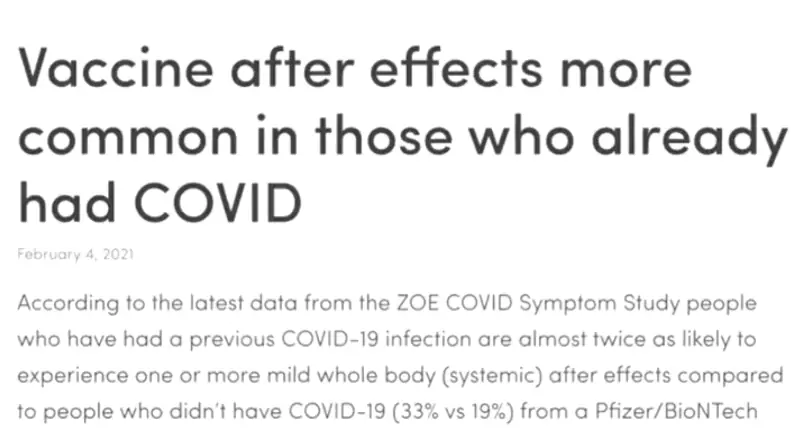
Because COVID‑19 vaccines involve novel ingredients, complex processing, large‑scale production, and multiple manufacturing facilities, contamination is an ongoing risk. Indeed, regulators shut down a Baltimore production facility after discovering unlisted ingredients were mistakenly added during manufacture of the Johnson & Johnson vaccine [365].
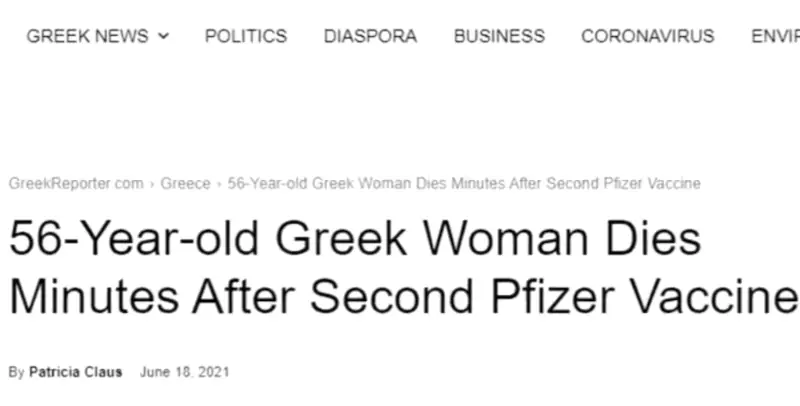
e.ix. Prion Disease
The SARS‑CoV‑2 spike protein can enter the brain and may have properties capable of triggering neurodegenerative diseases involving prions and amyloid formation [366, 367]. COVID‑19 vaccines rely on endogenous production of this spike protein. Research shows that the spike protein alone can cause lung damage [368] and may alter gene expression in airway cells [369]. Another group of researchers suggested that:
...the SARS-CoV-2 spike protein (without the rest of the viral components) triggers cell signalling events that may promote pulmonary vascular remodelling and PAH [pulmonary arterial hypertension] as well as possibly other cardiovascular complications.
Growing evidence about spike‑protein toxicity prompted Dr. Byram Bridle, an associate professor involved in mRNA vaccine research for decades, to state [371]:
The spike protein is a pathogenic protein, it is a toxin, it can cause damage in our body ... we made a big mistake ... we thought the spike protein was a great target antigen, we never knew the spike protein itself was a toxin.
Additional concern comes from research showing that adenovirus‑based vaccines, which also induce spike protein production, can create soluble spike variants linked to thrombosis [306]. Those affected may suffer severe illness or death resembling a wild‑virus infection but induced by the vaccine itself.

Analysis of vaccine RNA sequences has also suggested the potential for prion formation [372]. Prions and amyloids are proteins that become misfolded and resistant to proteases, which normally break down proteins. Protein function depends not only on amino acid sequence but on precise folding patterns. When folding is disrupted, proteins may become toxic. In prion disease, misfolded prions induce misfolding in other proteins, creating a self‑propagating cascade. Creutzfeldt–Jakob Disease (CJD), or “mad cow disease”, is an example. Early stages involve neurological symptoms such as mood swings, memory loss, nerve dysfunction, tremors, and visual disturbances; diagnosis may be difficult.
A CJD case associated with COVID‑19 onset has been recorded, though it may be coincidental [373]. Prion‑type diseases can take years or decades to manifest. Detecting any link would require careful analysis of large vaccinated and unvaccinated cohorts, considering factors such as infection history, vaccine type, and number of doses.
e.x. Negligence and Errors in Handling and Administering Inoculation
Discussions about vaccine safety are often simplistic. They typically omit important risks already discussed and ignore those arising from poor practice in handling and administering vaccines. According to Public Health England, risks include: incorrect dosage, expired vaccine, improper timing between doses, use of the wrong injection site or route, poor technique, incorrect diluent, improper preparation, contamination, incorrect storage, and ignored contraindications [374].
Real‑world reports confirm these risks. In one case, a cleaner in Boston accidentally disconnected power to a freezer storing vaccines [375]. The area should have been restricted, and an alarm failed to activate. Other storage errors occurred when vials were intentionally removed from freezers, or when vaccines stored at incorrect temperatures were administered [376, 377, 378].
Numerous cases have been reported in the US, Canada, and Japan where recipients were injected only with saline because it had not been mixed with active vaccine [379, 380, 381, 382]. Other errors occurred in Hong Kong, Canada, and Australia, violating patient consent and guidelines protecting vulnerable groups [383, 384, 385]. In New York, expired vaccine was administered to over 899 people at a pop‑up site [386]. In British Columbia, twelve children were accidentally given a vaccine not authorised for their age group [387]. A similar incident in Australia saw 163 children mistakenly vaccinated with the Pfizer mRNA vaccine contrary to national policy [388].
Regardless of direct outcomes, failure to follow strict protocols for storage, preparation, and administration — including not knowing which vaccine is being given — represents serious negligence.
e.xi. Manufacturing Irregularities
Manufacturing mRNA vaccines is a highly sensitive process with significant potential for error — a point rarely discussed in mainstream media. The issue surfaced when hackers leaked emails from the European Medicines Agency (EMA). These emails revealed that some Pfizer vaccine batches examined by the EMA contained anomalies, including significantly lower levels of vaccine‑related mRNA and “truncated and modified mRNA species” present in the finished product [389]. Such irregularities could produce ineffective doses and highlight the instability of mRNA. The precise nature of the modified mRNA — and what it may have coded for — has not been disclosed.
Clearly, manufacturing errors pose a real risk. Early in 2021, a disturbing report revealed that a plant manufacturing Johnson & Johnson vaccines had contaminated millions of doses with the wrong ingredients. The issue was not disclosed by the manufacturer but was discovered only after a government inspection [390]. Additional concerns arose when researchers analysing AstraZeneca vaccines detected human proteins and other unwanted non‑structural proteins; more than one thousand human‑derived peptides were identified, believed to originate from the fetal‑derived kidney cell line used to culture the adenovirus vector [391]. These contaminants should not be present in the final product, despite claims by various “fact‑checkers”. The researchers noted that ELISA tests used to detect unwanted components may be ineffective and that truly thorough quality control would be extremely time‑consuming. Some contaminants were present in quantities sufficient to cause short‑term adverse reactions and potentially long‑term autoimmune problems.
xii. Terrorism, Sabotage, and Fraud
Additional threats arise from fake or compromised vaccines. Thousands of counterfeit vaccines were discovered in circulation in China and South Africa [392]. In India, thousands of people were injected with sea water by a group — including a doctor — conducting deliberate fraud [393]. Sabotage is another concern, heightened by cyber threats. One known hacking attack, believed to originate from a state actor, targeted systems controlling cold‑storage for vaccines [394]. State or terrorist groups may have an interest in intercepting or tampering with the vaccine supply chain.
Other cyber‑security concerns include sophisticated attacks that modify data used to sequence DNA or mRNA or alter formulation parameters such as excipient concentration levels [395]. Such an attack could result in widespread inoculation with altered DNA or RNA capable of producing biotoxins, inducing prion‑type diseases, causing chronic health problems, or initiating cancer.
The effects of such sabotage may not be immediately apparent and might only be detected if vaccine batches and recipients were monitored alongside control groups over long periods. Given the number of competing nations and factions, rising geopolitical tensions, and the well‑documented vulnerabilities in digital systems, the threat of stealth sabotage cannot be dismissed.
xiii. Conclusion
There are diverse, serious, and potentially substantial short‑ and long‑term risks associated with COVID‑19 vaccines. Their medium‑ and long‑term efficacy remains uncertain. Some harmful outcomes of mass vaccination could, in theory, be more catastrophic than the original pandemic. One can only hope such outcomes do not materialise. As of 21 July 2021, more than one million post‑vaccine adverse reactions — affecting over 330,000 people — had been reported to the MHRA Yellow Card scheme for the Pfizer, AstraZeneca, and Moderna vaccines. These reactions included, but were not limited to [396]:
- 1,257 cases of anaphylaxis
- 411 cases of thrombo-embolic events with concurrent low platelets of which:
- 146 cases were cerebral venous thrombosis
- 265 cases were major thromboembolic events with thrombocytopenia
- 73 out of the 411 died, 30 were people under 50 years old
- 9 cases of capillary leak syndrome
- 27,510 cases of menstrual disorders
- 16,593 blood disorders
- 13,184 heart disorders
- 4,493 immune disorders
- 362 cases of Guillain–Barré syndrome
- 13,312 cases of ear disorders
- 18,130 eye disorders
- 1,517 deaths were reported as potentially linked to vaccination
The MHRA explained these figures by stating that incidence rates matched background levels and that reports would be inflated due to the black‑triangle status of the vaccines, requiring the reporting of all suspected side effects regardless of causal evidence. However, they provided no evidence‑based analysis to support this assertion and no report open to public or academic scrutiny. Their position amounts to an assumption backed by authority rather than transparent reasoning. As shown earlier, evidence suggests massive under‑reporting of side effects rather than over‑reporting. Based on that evidence — not the assumptions of a regulator with conflicts of interest that promoted the vaccines — the above numbers may represent only 5–15% of actual occurrences. It must also be noted that while some reported side effects may seem unrelated, some may reflect causal mechanisms not yet identified.
The potential for vaccines to cause minor clots in blood vessels anywhere in the body could lead to a wide variety of symptoms, including localised discomfort, partial organ damage, pain, and pins and needles. Small blockages may cause cumulative damage. Conditions such as myocarditis that appear to resolve could leave permanent heart damage that may later cause death. Other symptoms with slow, chronic onset — autoimmune disorders, neurological problems, heart disease, cancer, progressive vision loss, etc. — may never be linked to vaccination and therefore go unreported. Debate about the HPV vaccine and its potential association with cancer has continued for decades. Asbestos was used for more than a century before its carcinogenic properties were suspected. Doctors once promoted cigarette smoking and declared thalidomide harmless. Experts are fallible and capable of grave mistakes in both fact and judgement.
Perhaps if vaccine promoters over the last half‑century had been required to be more realistic in their claims, and held legally and financially accountable for their products, the industry would have been forced to evolve. Perhaps science would have been compelled to grapple seriously with the complexity of human biology — the dynamic interplay of the body, immune system, and environment — and thus gained a deeper understanding of long‑term risks and limitations of mass vaccination campaigns. With such understanding, we might now have more effective strategies for managing infectious disease.
Sadly, honesty and integrity are scarce in a world driven by short‑term thinking and self‑interest. It may be time to reconsider the liability‑free legal protections afforded to vaccine manufacturers and to confront the entrenched corporate–political alliances that maintain their privileged position. Yet such reform is unlikely. Vaccines are big business: the global vaccine market grew from $5 billion in 2000 to $34 billion in 2017, and is forecast to reach $81.5 billion by 2026 [397, 398]. One wonders whether this meteoric rise would have been slowed had effective prophylactic and therapeutic alternatives been widely recommended early in the pandemic. At least nine industry leaders became billionaires due to profits and rising stock prices associated with COVID‑19 vaccine development [399].
Given the coercion, narrow thinking, and persistent propaganda surrounding COVID‑19 vaccines, it is reasonable to ask whether recipients were adequately informed of the full risks and uncertainties, as required by medical ethics standards for informed consent. Equally important is whether the public was honestly informed that most people who contract COVID‑19 recover quickly with mild symptoms, and that such individuals likely develop long‑lasting natural immunity which protects both themselves and those around them — often more robustly than vaccine‑induced immunity. Numerous treatments exist with substantive evidence of improving recovery rates without requiring acceptance of the known and unknown risks associated with novel vaccines when administered early in the course of infection.
Pete Jorgensen is a singer songwriter, guitar player, bass player, sound engineer, philosopher, author, artist, and horticultural scientist who has lived in Liverpool, Lancaster, Lancashire, Cornwall, Camden, and Surrey, England, UK.